


Ancient pyramids rising from the desert, temples carved with into ancient stone, the steady rhythm of the Nile flowing through it all. Egypt is a destination that has fascinated travellers for centuries. It offers a rare chance to step directly into the pages of history while experiencing a vibrant, modern culture at the same time. From the energy of Cairo to the timeless beauty of Luxor and the Red Sea coast, every corner of the country feels unforgettable.
If you’ve been dreaming of taking a trip to Egypt, you’re in the right place. Whether you’re planning independently or hoping to join one of our limited Egypt group packages, this guide will walk you through everything you need to know before you go.
In this comprehensive guide, you’ll discover the best things to do in Egypt, essential travel tips, cultural insights, food recommendations, safety guidance and practical advice to help you plan with confidence. So dive in, explore what awaits and start preparing for an experience unlike anywhere else in the world.
So keep reading to soak up everything we want to share with you about incredible Egypt, or skip ahead to the topic you’re most interested in by using our Content Overview!
1. Travel to Egypt – Citylife’s Egypt Tours
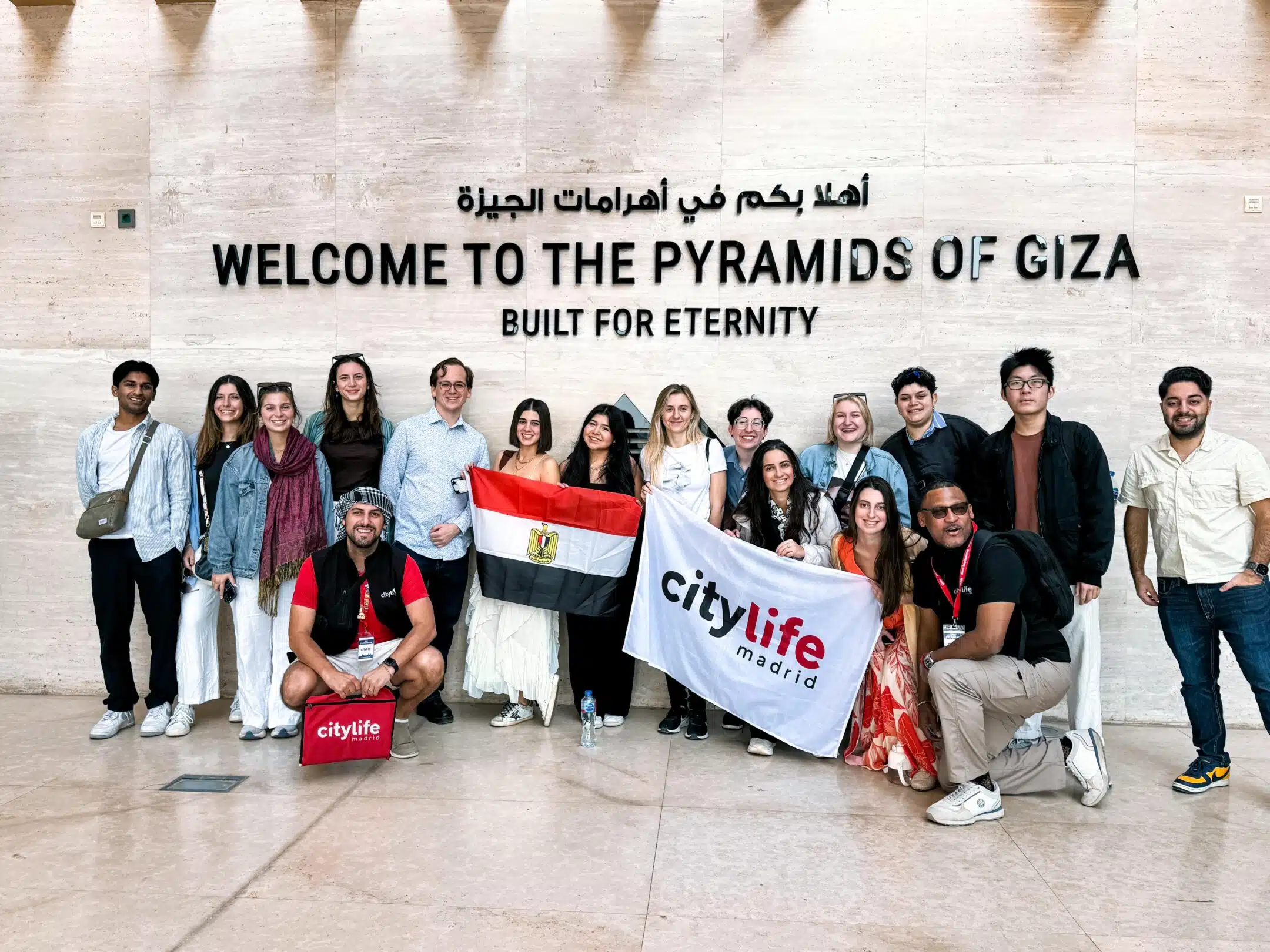
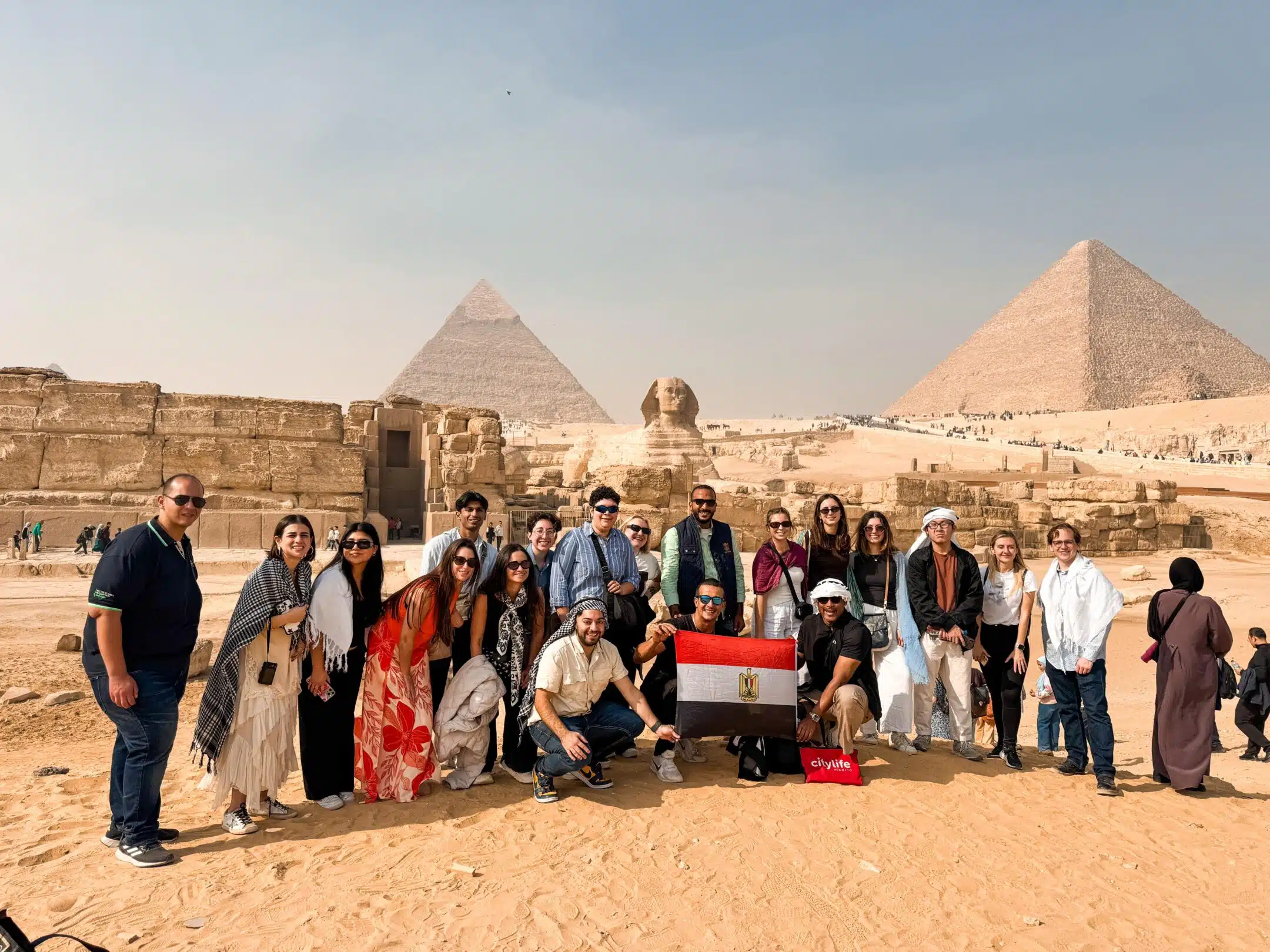
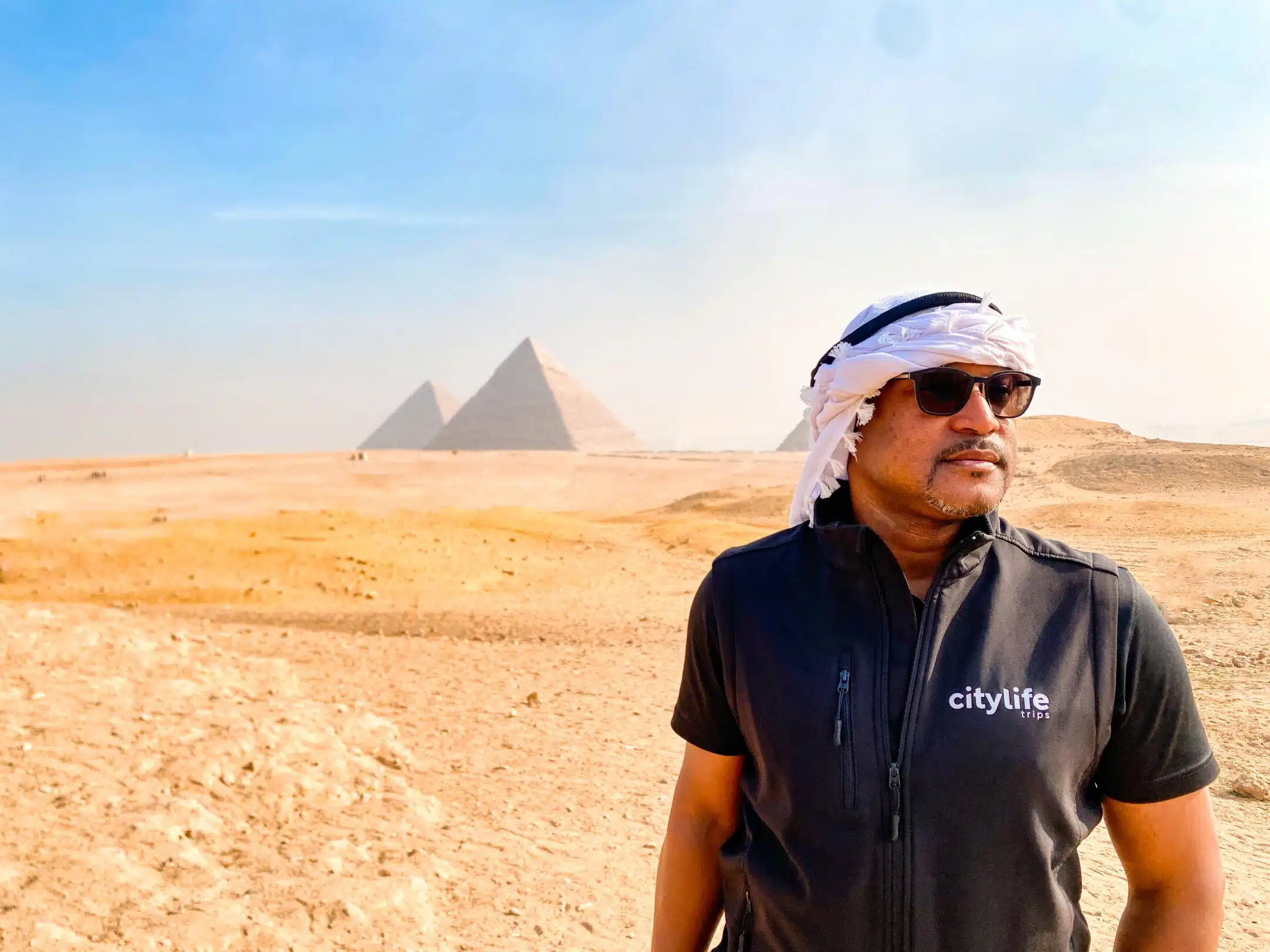
Unlike some of our more frequent destinations, our Egypt trip is offered only once or twice per semester. That means smaller groups, a carefully designed itinerary and a more exclusive atmosphere throughout the journey. Spots are limited and once they’re gone, they’re gone until the next season! If Egypt has been on your bucket list, this is your chance to experience it with a small group of like-minded internationals and a team that takes care of every detail.
Visit our Trips Agenda to see the next Egypt package we’re offering.



2. Egypt Travel Guides – What to See in Egypt, How to Prep and Culture Guides
If you’ve started to plan your trip to Egypt, a little preparation goes a long way. With thousands of years of history, iconic landmarks and diverse regions to explore, there’s far more to see than just the pyramids. In this section, we break down the best things to do in Egypt, along with detailed city guides, food recommendations and practical travel tips to help you make the most of your journey. Dive in and start planning an experience you’ll never forget.
2.1 A Civilization That Changed the World – A Brief History of Egypt
Egypt is a country where history is not confined to museums. From the towering pyramids of Giza to the temples that line the Nile, this is a land that shaped civilization as we know it. Few destinations in the world carry the same sense of scale, mystery and legacy as Egypt and experiencing it in person is nothing short of extraordinary.
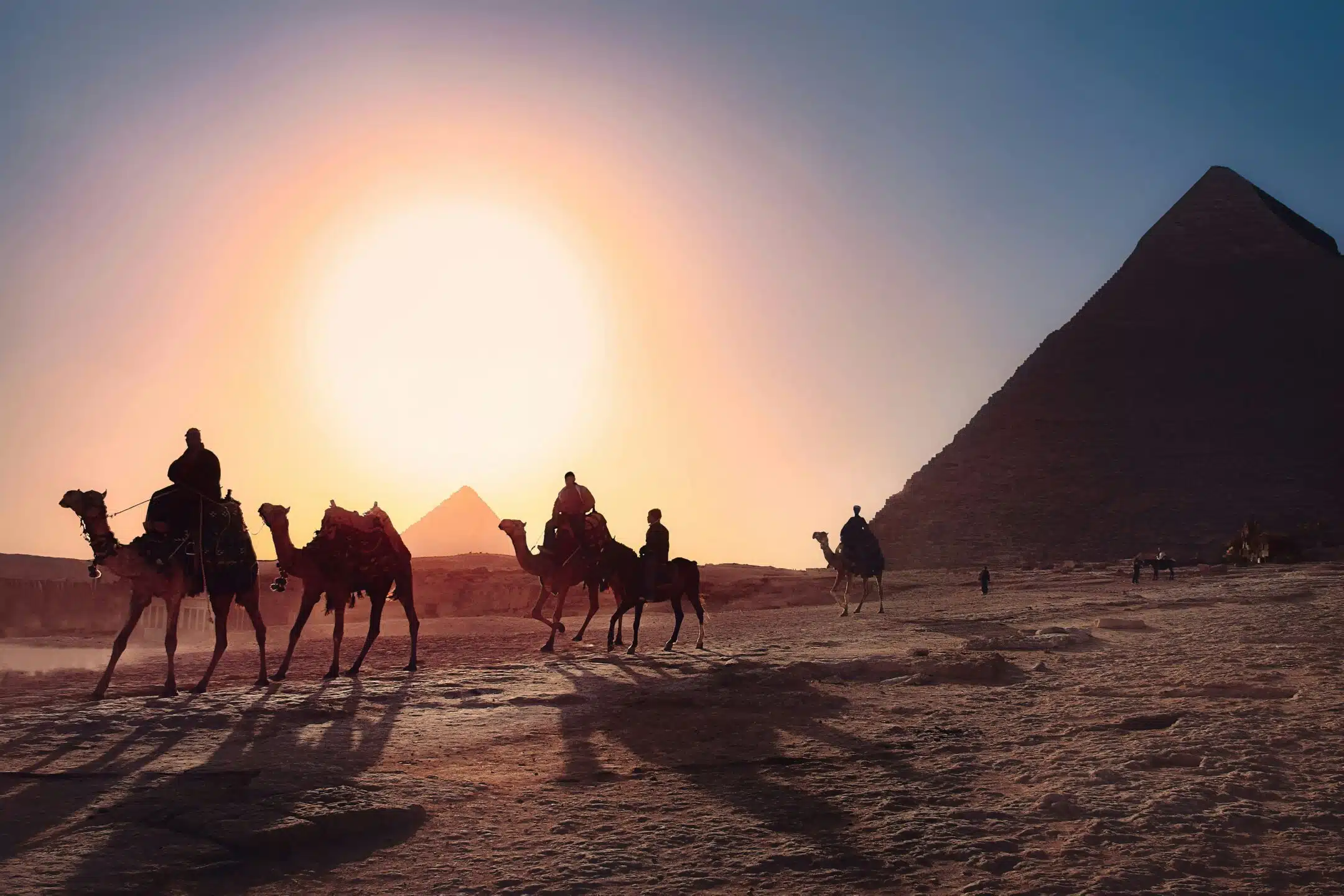
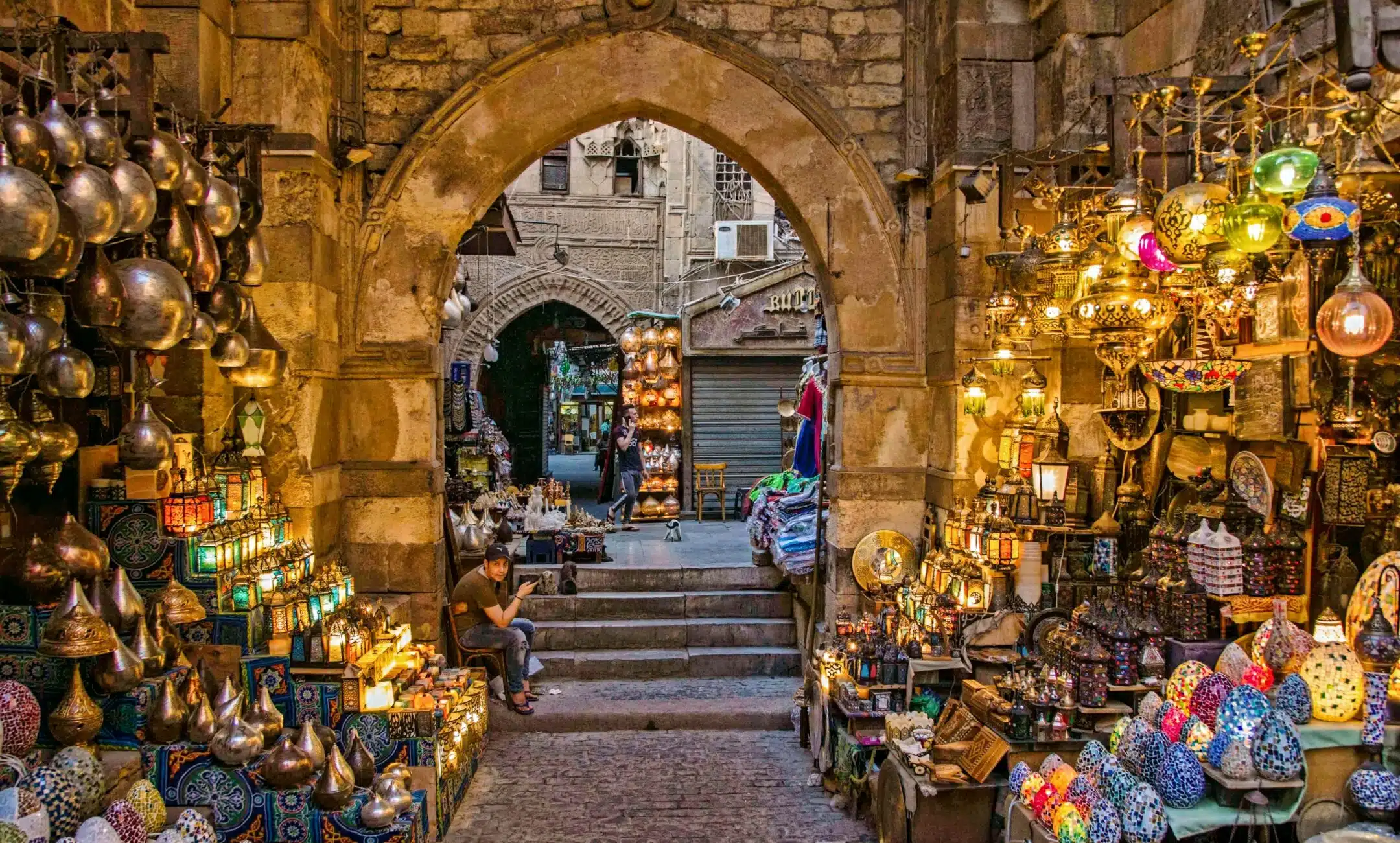
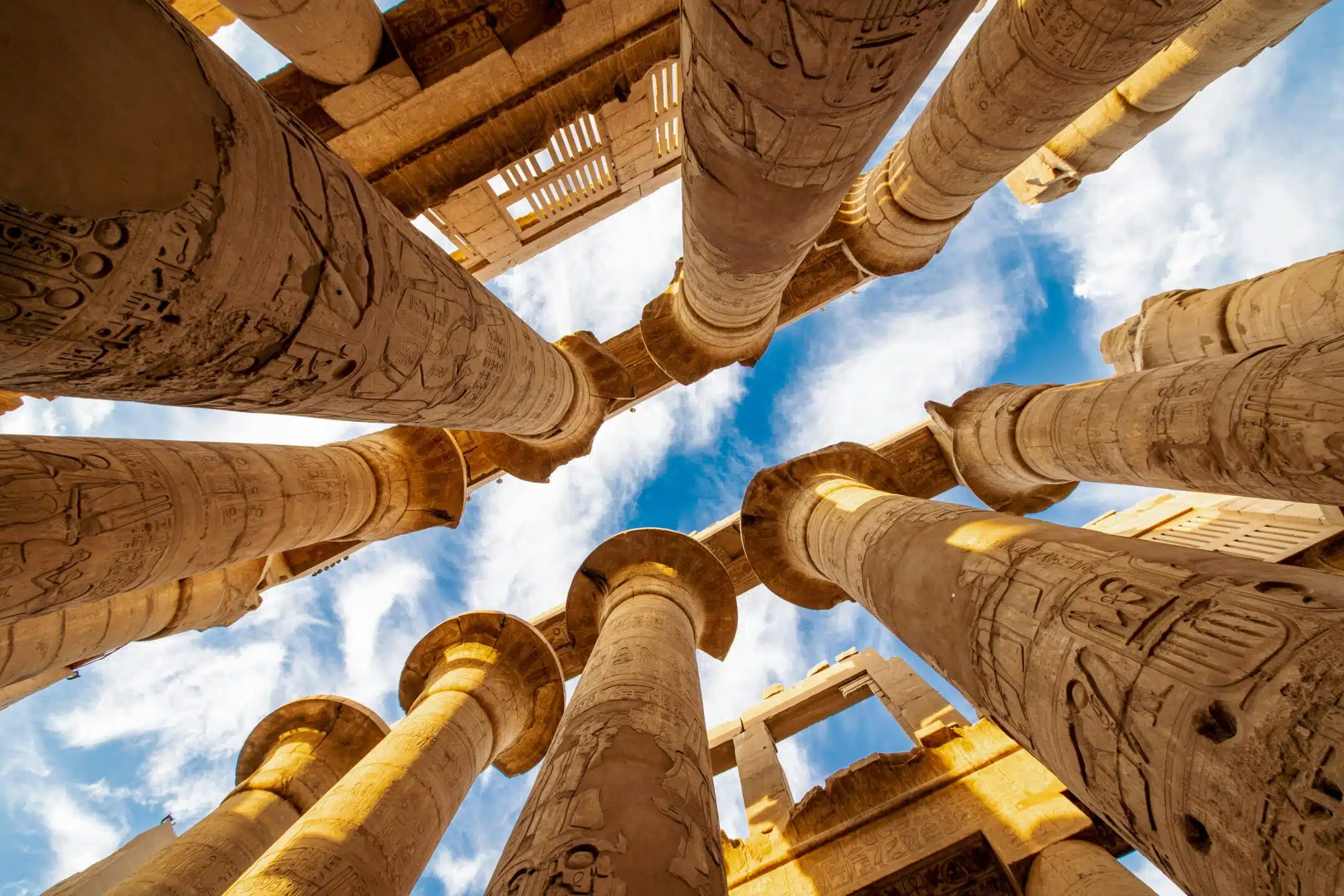
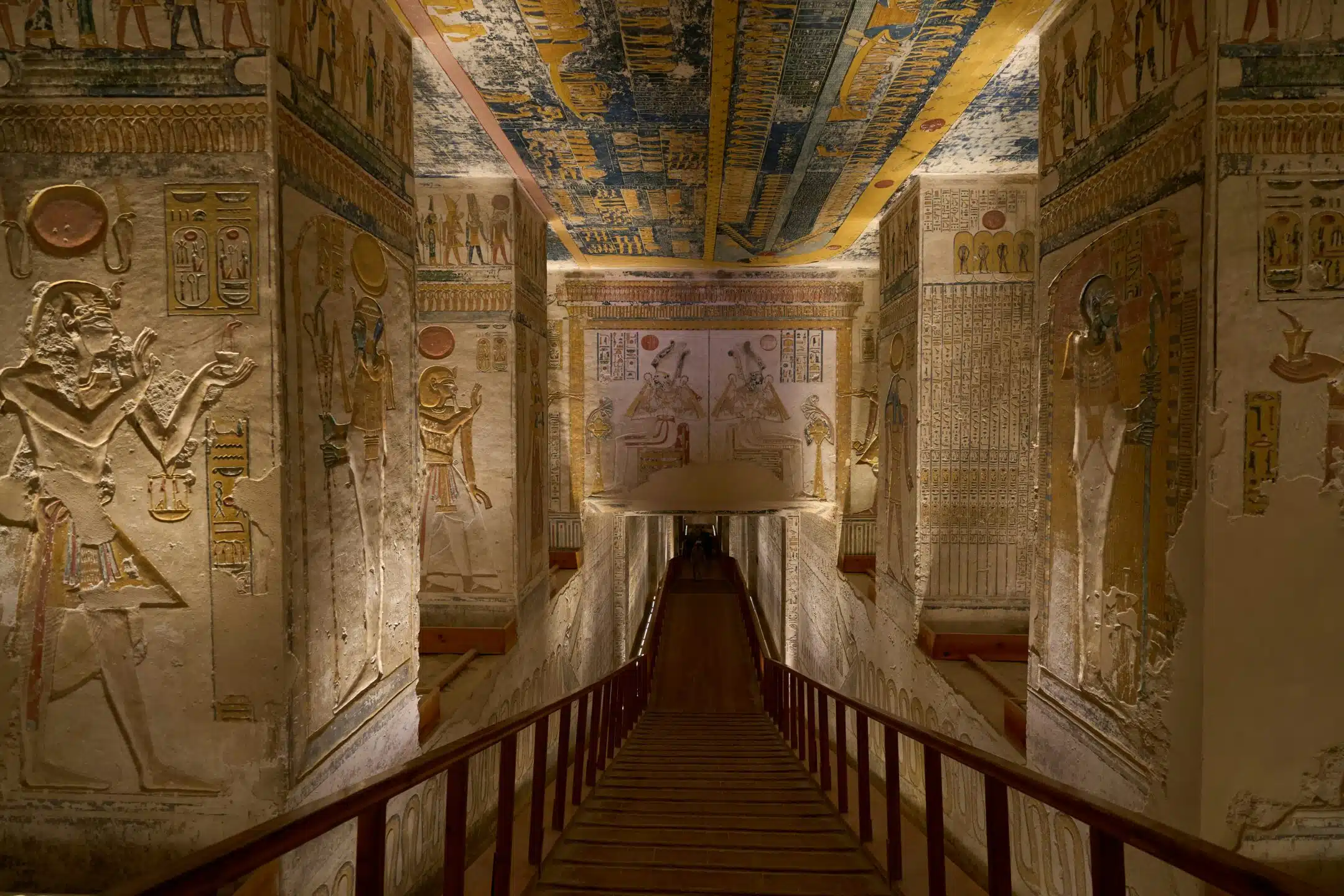
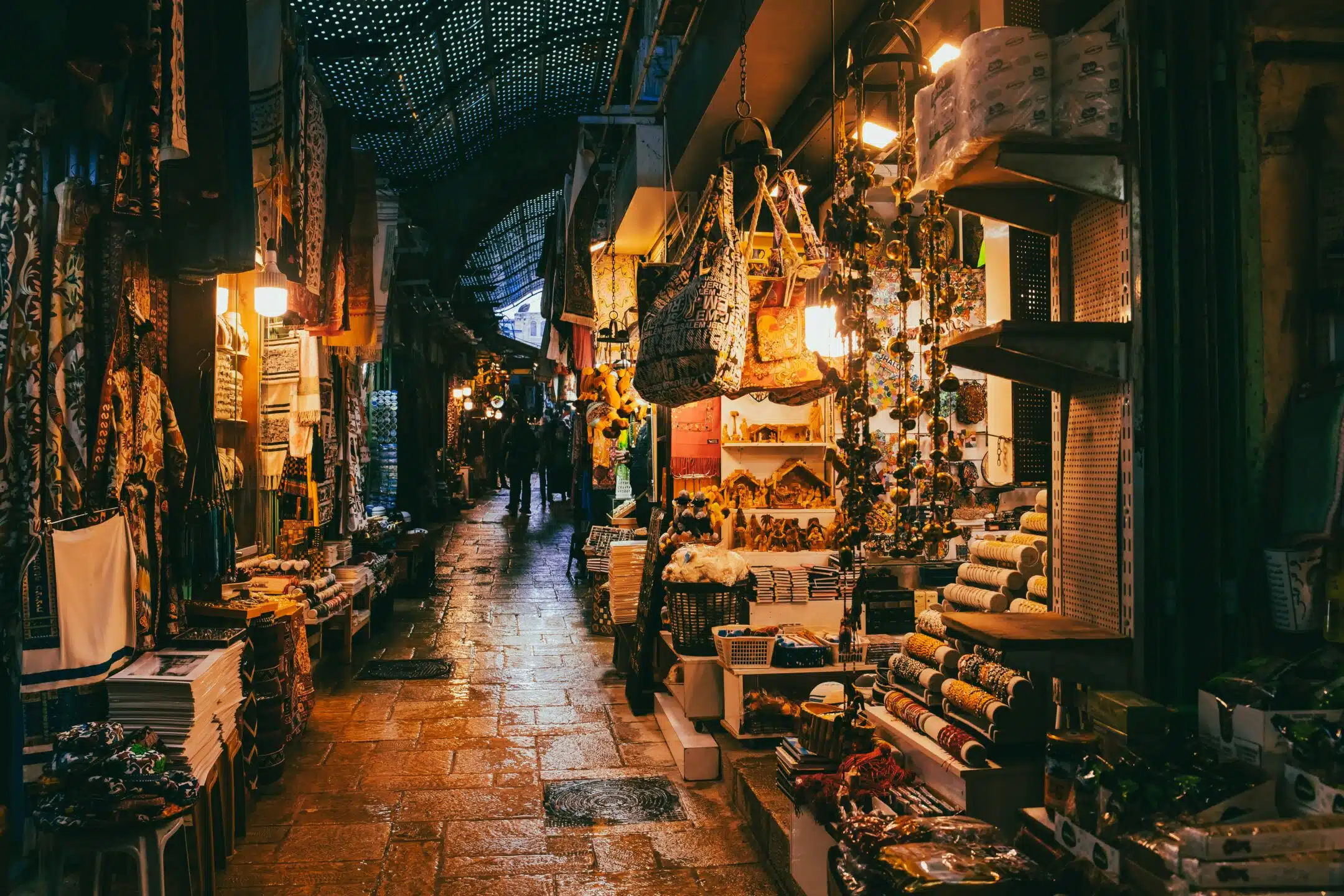
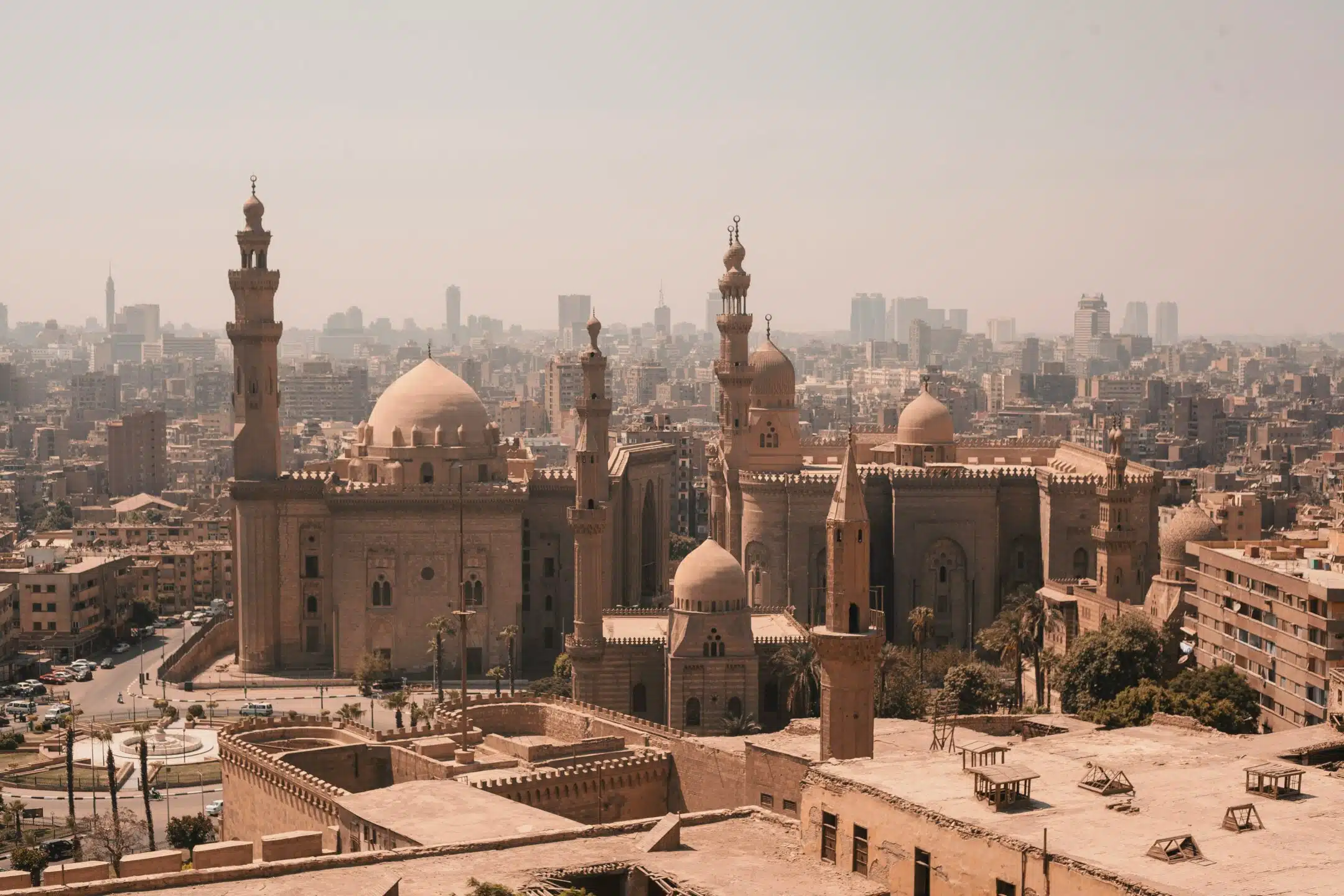
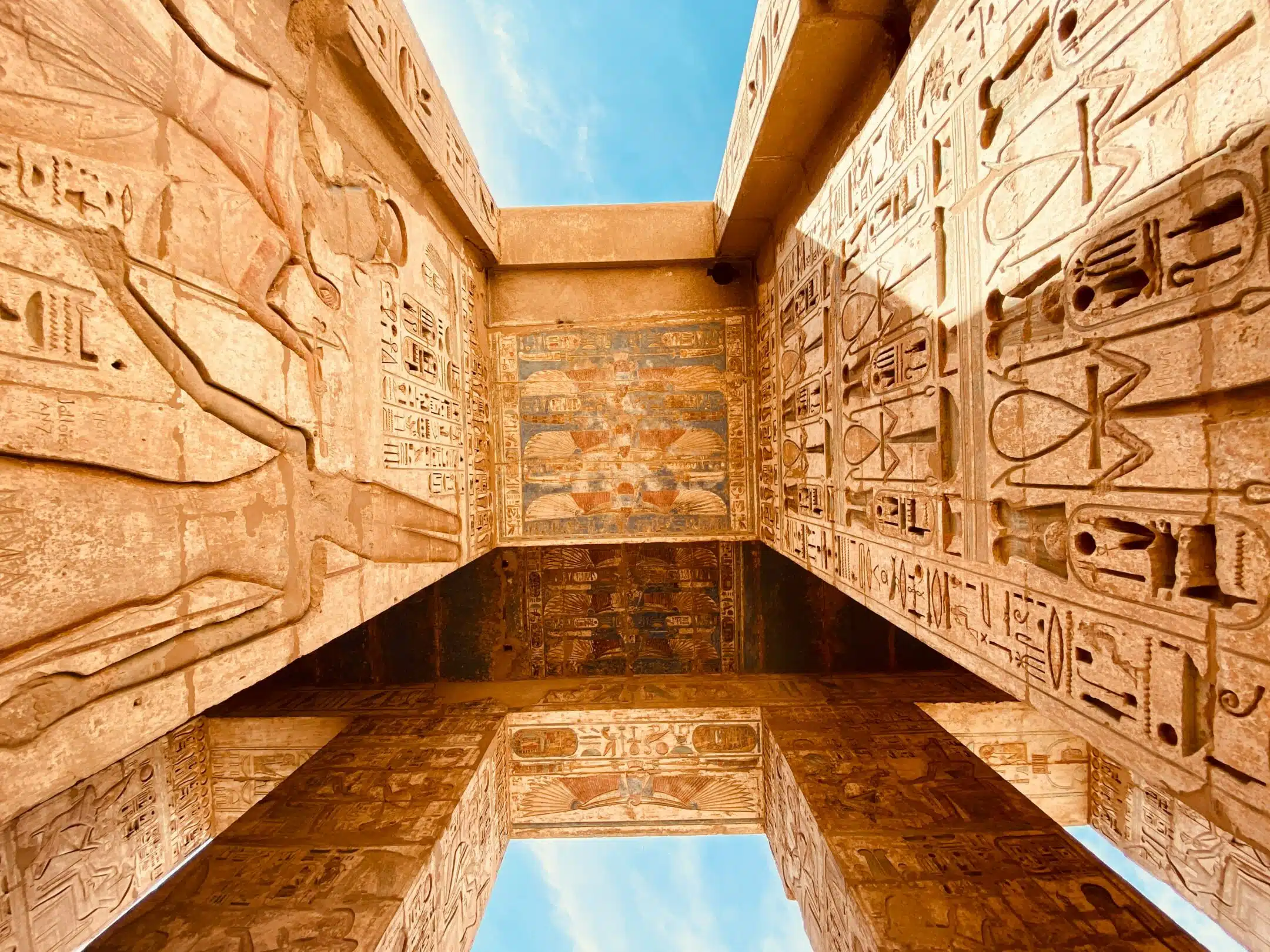
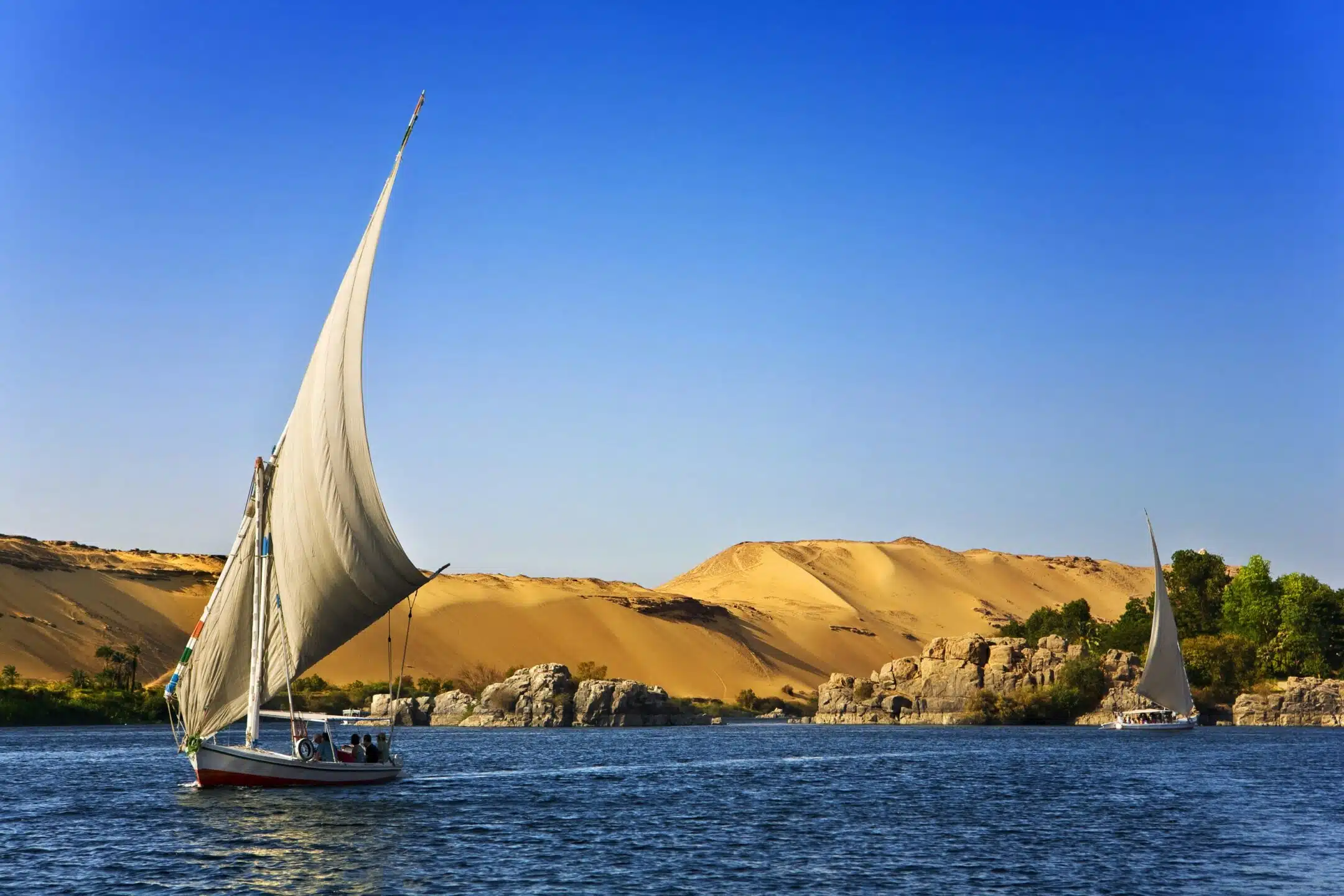
Officially known as the Arab Republic of Egypt, the country sits at the crossroads of Africa and the Middle East. It stretches from the Mediterranean coastline in the north to the deserts of the south, with the Nile River flowing like a lifeline through its heart. Home to more than 100 million people, Egypt remains one of the most influential cultural centres in the Arab world. Arabic is the official language, though English is widely spoken in tourist areas and major cities.
Ancient Egypt was one of the most powerful and advanced civilizations of the ancient world. For thousands of years, its pharaohs ruled over vast territories, pioneering monumental architecture, engineering, astronomy, medicine and written language. Greek and Roman empires were influenced by Egyptian knowledge and Egypt later became a key province within those Mediterranean powers. Its strategic location made it a prize for conquerors, traders and rulers across centuries.
From the Persians and Romans to the Arab caliphates and the Ottoman Empire, Egypt has long stood at the centre of regional history. In the 19th and early 20th centuries, both France and Great Britain played significant roles in shaping modern Egypt, particularly through the construction of the Suez Canal and British political influence. Today, Egypt stands as an independent nation with a layered identity, where ancient legacy, Islamic heritage and modern history all meet.
2.2 Egyptian Food – Best Egyptian Dishes you Can’t Miss
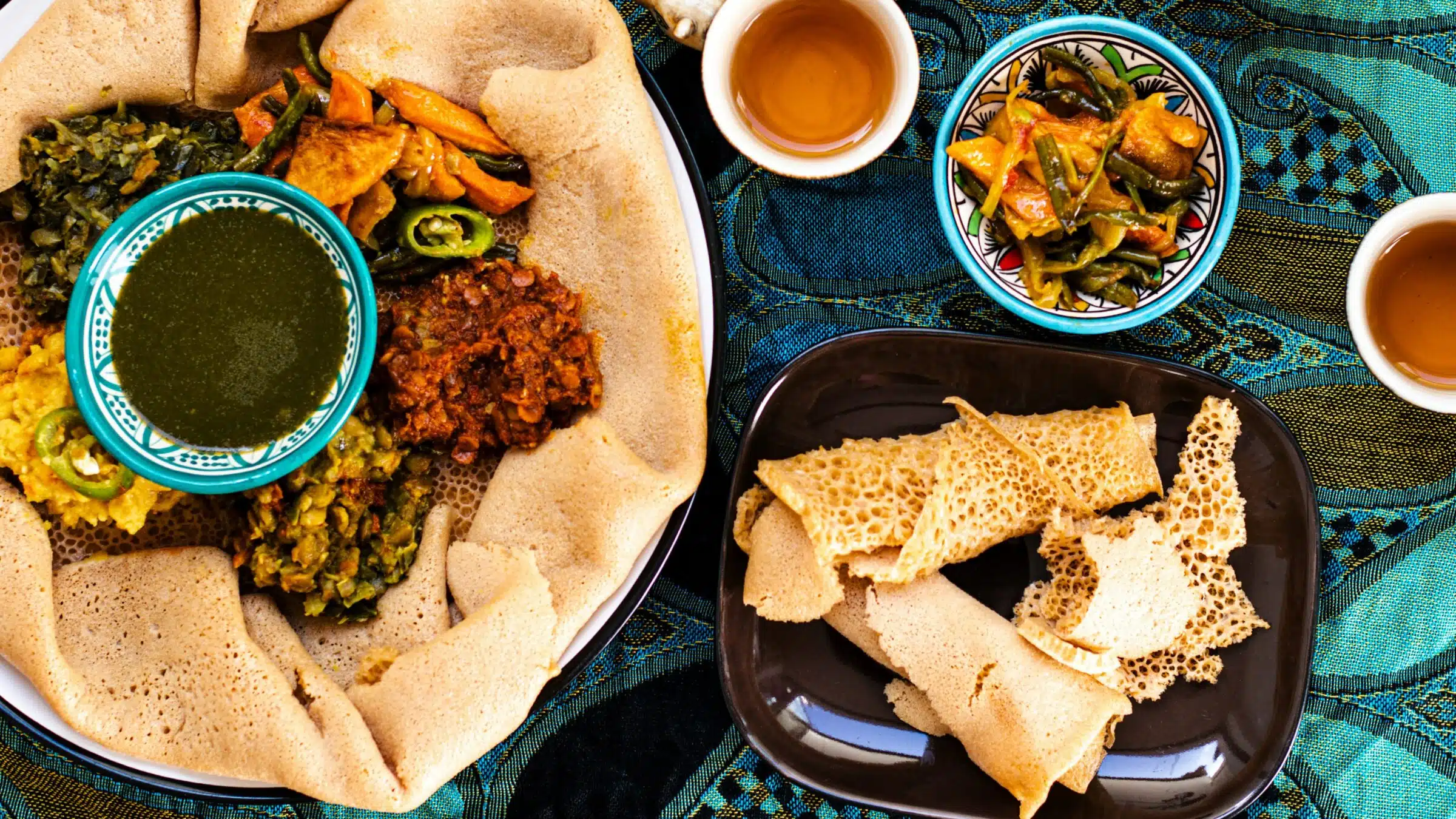
Egyptian food is rooted in centuries of tradition, shaped by ancient civilizations, Middle Eastern flavours and Mediterranean influences. From hearty street food to rich, homestyle dishes, the flavours are bold, comforting and full of character. If you’re planning a trip to Egypt, take a look at our guide to the best Egyptian food to try so you know exactly what to order when you arrive.
2.3 The Perfect Packing List for Egypt
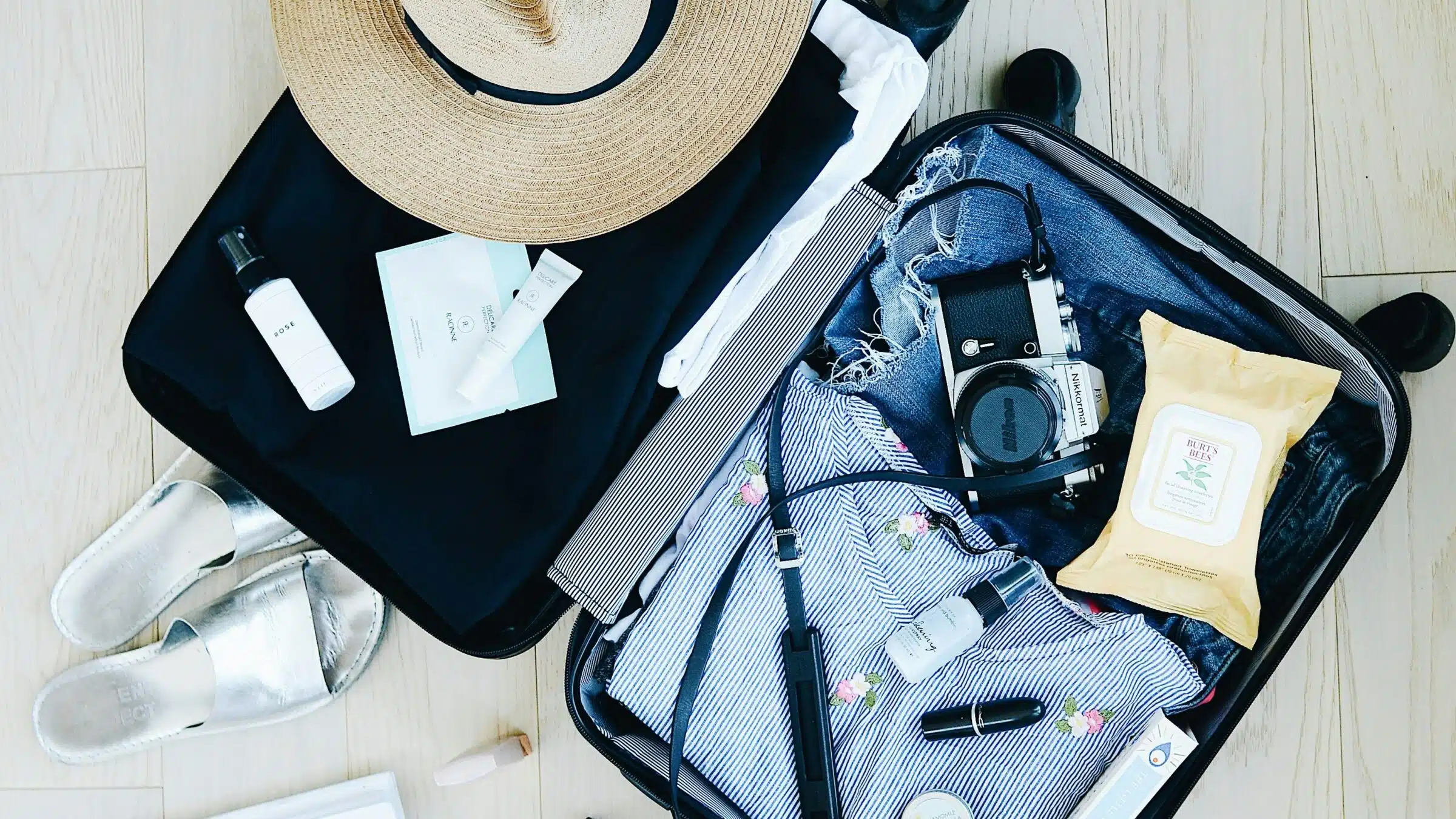
Planning a trip to Egypt is exciting, but knowing what to bring can feel more overwhelming than you expect. With ancient sites, warm weather and cultural considerations to keep in mind, packing well makes all the difference. Our Egypt Packing Guide walks you through the essentials, from practical clothing choices to smart travel extras, so you can arrive prepared and focus on the experience.
Check out our guide and pack like you’ve been to Egypt a hundred times!
3. Egyptian Insights -Safety, Culture & Customs in Egypt
Egypt is an incredibly exciting destination, but its also one that benefits from a significant amount of cultural awareness before you arrive.
Understanding local customs, religious traditions and practical travel considerations will make your experience smoother and much more enjoyable. Egypt is predominantly Muslim and while it welcomes millions of visitors each year, respectful behaviour and adjusted expectations are always appreciated in many settings. In this section, we’ll cover the key cultural insights and safety guidance that will help you feel prepared, confident and ready to fully enjoy your trip.
3.1. Safety & Security in Egypt
Travelling in Egypt is generally safe, particularly in major tourist centres and along established routes. That said, preparation and awareness go a long way. By understanding local conditions and following simple precautions, you can explore with confidence.
Below we’ve put together a list of our best hints and tips to make sure that you feel as safe and secure as possible on your next trip to Egypt.
Avoiding Scams
- Only book tours with official, licensed guides: Egypt takes their historic sites seriously. Only licensed professionals can lead tours and group visits, so don’t fall for the sweet local who offers to give you local tips – no matter how good the deal is.
- Be cautious with “free” offers or unsolicited help: If someone offers assistance, directions or a photo without being asked, they may expect a tip afterward. Confirm expectations before accepting or simply walk away
- Arrange transportation in advance or use registered taxis and ride-share apps: In larger cities like Cairo, rideshare apps are widely used and reliable. Taxis are known to make up prices as they go and it’s better to avoid the hassle altogether.
- Only purchase tickets from official ticket offices or accredited tour providers: You may be approached by individuals offering discounted tickets or quicker entry at major sites. Always buy directly from clearly marked ticket counters or licensed tour operators.
Your Physical Safety & Comfort
- Choose secure, well-reviewed accommodations
Stay in reputable hotels or guesthouses with strong reviews. Central locations in well-known neighbourhoods are typically more convenient and comfortable. - Avoid isolated areas at night, especially when alone: Major tourist areas are generally busy and well-secured, but it’s best to avoid poorly lit or unfamiliar areas after dark.
- Keep valuables secure and stay aware of pickpockets
As in many busy destinations, crowded markets and transport hubs can attract petty theft. Use a secure bag and avoid displaying expensive items. - Only visit desert or remote areas with organized groups
Remote desert regions should not be explored independently. Organized tours ensure safety, navigation and proper preparation. - Keep valuables secure and stay aware of pickpockets: As in many busy destinations, crowded markets and transport hubs can attract petty theft. Use a secure bag and avoid displaying expensive items.
Keeping your Health in Mind
- Make sure you have comprehensive travel insurance: Travel insurance provides coverage for medical emergencies, trip cancellations, or unexpected delays. It’s a small investment that offers significant peace of mind.
- Do not drink the tap water: Tap water in Egypt is not recommended for visitors. Stick to bottled water, which is widely available and inexpensive.
- Take heat and dehydration seriously, especially in southern cities: Cities like Luxor and Aswan can be very warm, particularly in summer. Stay hydrated, wear sun protection and pace your sightseeing.
- Clearly communicate any food allergies or dietary restrictions: While Egyptian cuisine is diverse, it’s important to explain allergies carefully, especially in smaller restaurants where English may be limited.
Local Considerations
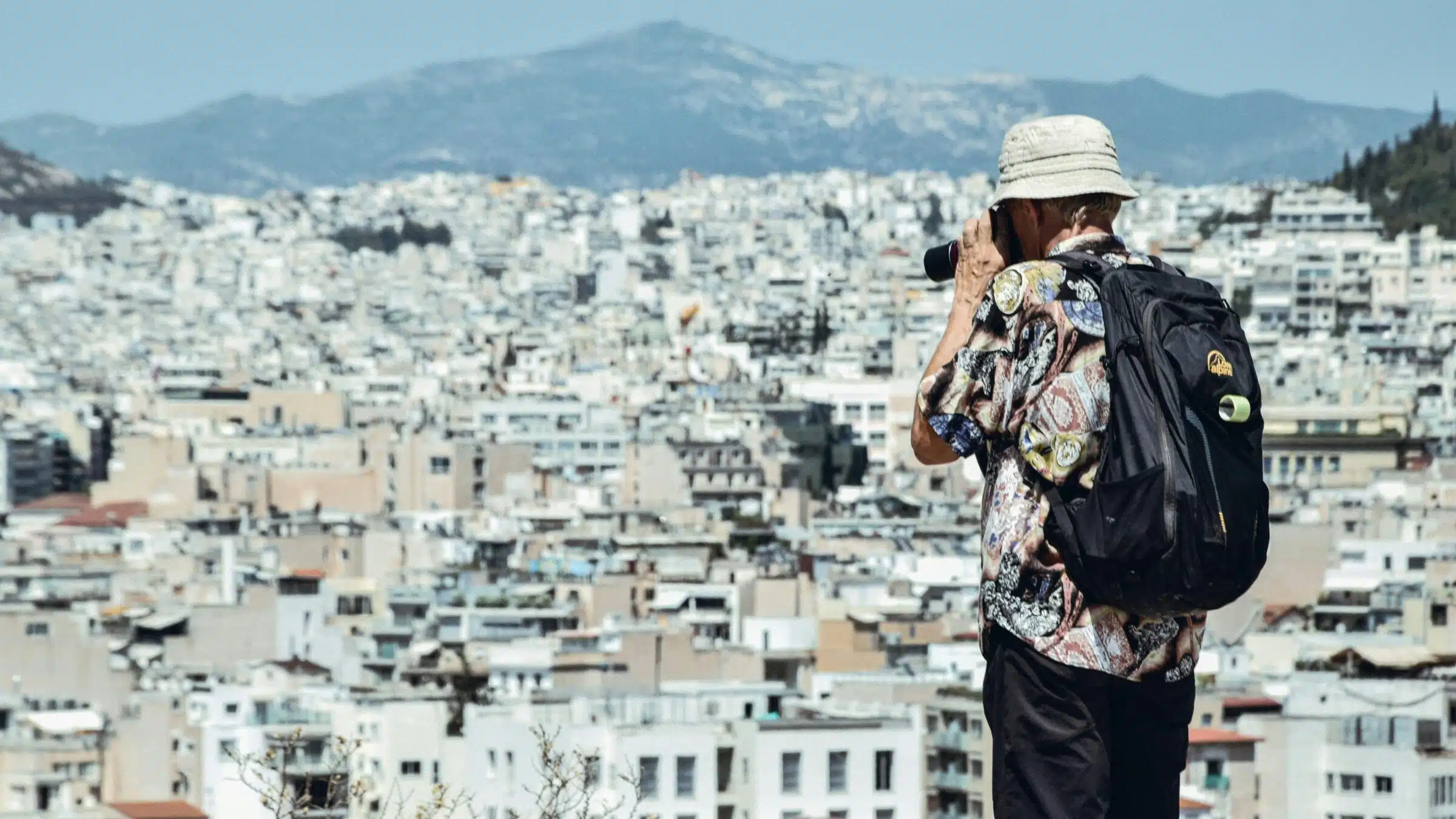
- Avoid photographing military personnel, checkpoints, or government buildings: Photography restrictions are taken seriously. When in doubt, avoid taking photos near security forces or official buildings.
- Respect religious and cultural sensitivities in dress and behaviour: Egypt is predominantly Muslim and modest clothing is appreciated in many settings, especially at religious sites. Public displays of affection should also be kept minimal.
- Be confident and firm with persistent vendors: Vendors at popular sites can be enthusiastic in trying to make a sale. A polite but firm “no thank you” and continuing to walk is usually effective.
- Understand and expect “baksheesh” (tipping culture): Tipping is part of daily life in Egypt and often expected for small services. Keeping small notes available makes this easier and avoids awkward moments.

3.2. Egyptian Customs & Culture
Understanding local customs is one of the simplest ways to ensure a smooth and enjoyable trip to Egypt. While the country is welcoming to visitors from around the world, being aware of cultural expectations and social norms will help you navigate daily interactions with confidence and respect.
Customs in Egypt – What to Do
- Accept Hospitality Graciously: If you’re offered tea or a small refreshment, it’s a gesture of kindness. Even if you decline, do so politely and with appreciation.
- Be Patient with Personal Questions: Egyptians are naturally curious and friendly. Questions about your country, marital status, or background are usually conversational rather than intrusive.
- Dress Modestly: Egypt is a predominantly Muslim country and modest clothing is appreciated, particularly in Cairo, southern cities like Luxor and Aswan and rural areas. While beach resorts are more relaxed, it’s respectful to cover shoulders and knees outside those settings.
- Ask Before Taking Photos: Always ask permission before photographing people, especially women. Never photograph police officers, military personnel, checkpoints, or government buildings, as this can lead to serious consequences.
- Respect Religious Practices: Egyptians take their faith seriously. During the call to prayer, avoid disruptive behaviour and during Ramadan be mindful of eating, drinking, or smoking in public during daylight hours in local areas.
- Greet People Politely: Greetings are important in Egyptian culture. A smile, eye contact and a simple greeting can create a positive interaction almost instantly.
- Learn Basic Phrases: English is widely spoken in tourist areas, but using simple Arabic phrases such as “Shukran” (thank you) or “La, shukran” (no, thank you) shows respect and often leads to warmer interactions.
- Remove Your Shoes in Mosques: When entering mosques or certain homes, shoes should be removed as a sign of cleanliness and respect. Follow posted instructions and observe what locals are doing.
Customs in Egypt – What to Avoid
- Do Not Use or Purchase Drugs: Egypt has strict drug laws and penalties are severe. Even small amounts can lead to serious legal consequences.
- Do Not Disrespect Religious Beliefs: Open criticism of Islam or religious customs can cause offense. Approach conversations about religion with sensitivity.
- Do Not Climb or Touch Ancient Monuments: Historic sites are protected and climbing on or damaging monuments is illegal and taken seriously.
- Avoid Public Displays of Affection: Holding hands is generally acceptable, but kissing or overt affection in public is discouraged and can attract unwanted attention.
- Do Not Expect Alcohol Everywhere: Alcohol is available in licensed hotels, restaurants and some stores, but it is not part of daily social life in most areas.
- Avoid Handling Stray Animals: While street cats and dogs are common, they may carry fleas or disease. It’s best to admire them from a distance.
- Avoid Political Discussions: Politics and government matters are sensitive topics. It’s best not to express strong opinions about leadership, the military, or internal affairs.
- Do Not Photograph Military or Government Sites: Photography restrictions are enforced. Avoid taking pictures of security personnel, official buildings, or checkpoints.
5. Egypt’s Top FAQ
More Articles About Travelling to Egypt:

Leah Warner

Leah has been living in and exploring Madrid since 2013 when she moved to the city for a simple summer abroad. She started the Citylife Blog in 2014 with the goal to share everything there is to know about her favourite place on earth!
