Home ยป Travel Guide ยป Exploring Egypt ยป

Planning your trip is exciting, but packing for Egypt requires a little strategy. With long days exploring ancient temples, open-air monuments, vibrant cities, and possibly even relaxing by the Red Sea, what you bring can shape your entire experience. The right balance of lightweight clothing, practical accessories, and essential travel items will help you stay comfortable while making the most of every moment.
This Egypt packing guide covers everything you need to consider before you zip up your suitcase. From climate and cultural expectations to footwear, health essentials, and smart extras for Nile cruises or resort stays, weโll help you pack efficiently and travel with confidence.
Prefer someone doing all the heavy lifting for you? Then join Citylife’s incredible Egypt Tours! We’ll take care of the accommodation, transportation in Egypt and cultural experiences, so all you have to do is show up and have fun!
Planning a trip to Egypt can take a lot of energy, so let Citylife help you with our series of incredible articles! We cover topics like Best Egyptian Food, the best things to see and do in Egypt – including city guides and must-see lists. Information about Egyptian customs, culture and safety and a collection of Egyptian FAQs that were more than happy to answer!
1. What to Pack for Egypt- The Absolute Essentials
Before you start thinking about outfits or Instagram photos at the pyramids, letโs cover the basics. There are a few things you simply cannot afford to forget when travelling to Egypt.
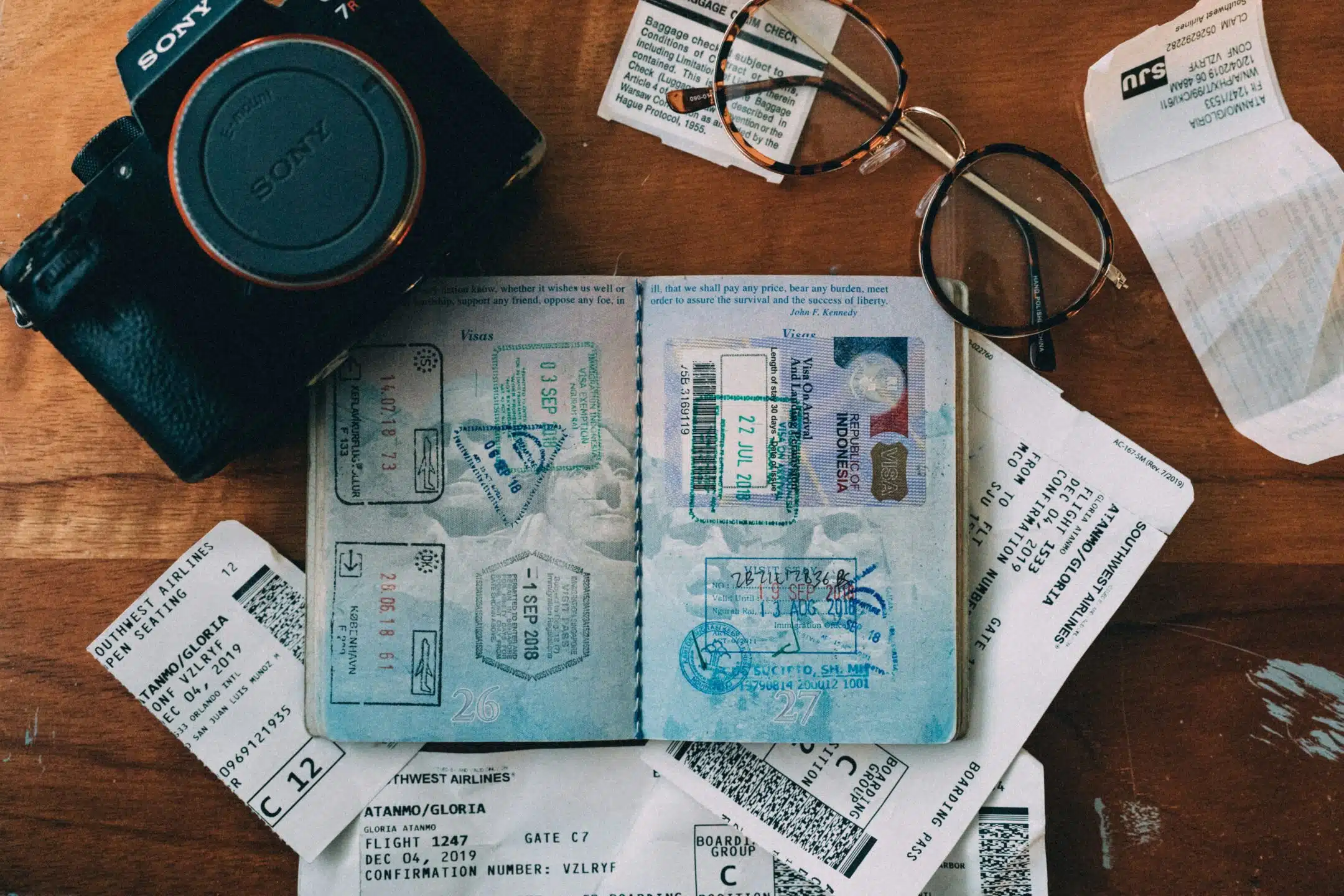
1.1. Travel Documents
- Passport – Your passport is non-negotiable. Egypt does not accept national ID cards or driverโs licences for entry, and a printed copy wonโt help you at immigration. Make sure your passport is valid for at least six months from your date of arrival, as this is a common entry requirement.
- Entry Visa – Almost all nationalities will need a visa to enter Egypt. Most travellers can apply online for an e-Visa before departure, but there is also an option to purchase one upon arrival the airport. Entry rules can change, so always check official government sources well in advance of your trip.

- Travel Insurance – Travelling without insurance is always a risk. From medical emergencies to cancelled flights or lost luggage, having proper coverage gives you peace of mind while navigating a different healthcare system and travel environment.
1.2. Money & Security
- Local Currency – The currency in Egypt is known as Egyptian Pounds and you’ll need to make sure you have some on you at all times, even though many large locations do accept card payments. The exchange rate is fixed, with 1โฌ Euro converting to about 56 Egyptian Pounds. Make sure to check online for the most current exchange rates.
- Exchanging money – ATMs are widely available in large cities and tourist areas, and withdrawing money locally is often the simplest option. Currency exchange desks are also available at airports and banks. Small notes are especially useful for tipping, taxis, and market purchases.
- Credit/debit cards – Cards are accepted in many hotels, larger restaurants, and even some larger monuments. But donโt rely on them everywhere! Carry at least one debit or credit card for ATM withdrawals, and make sure to notify your bank before travelling to avoid unexpected blocks.
1.3. Electronics

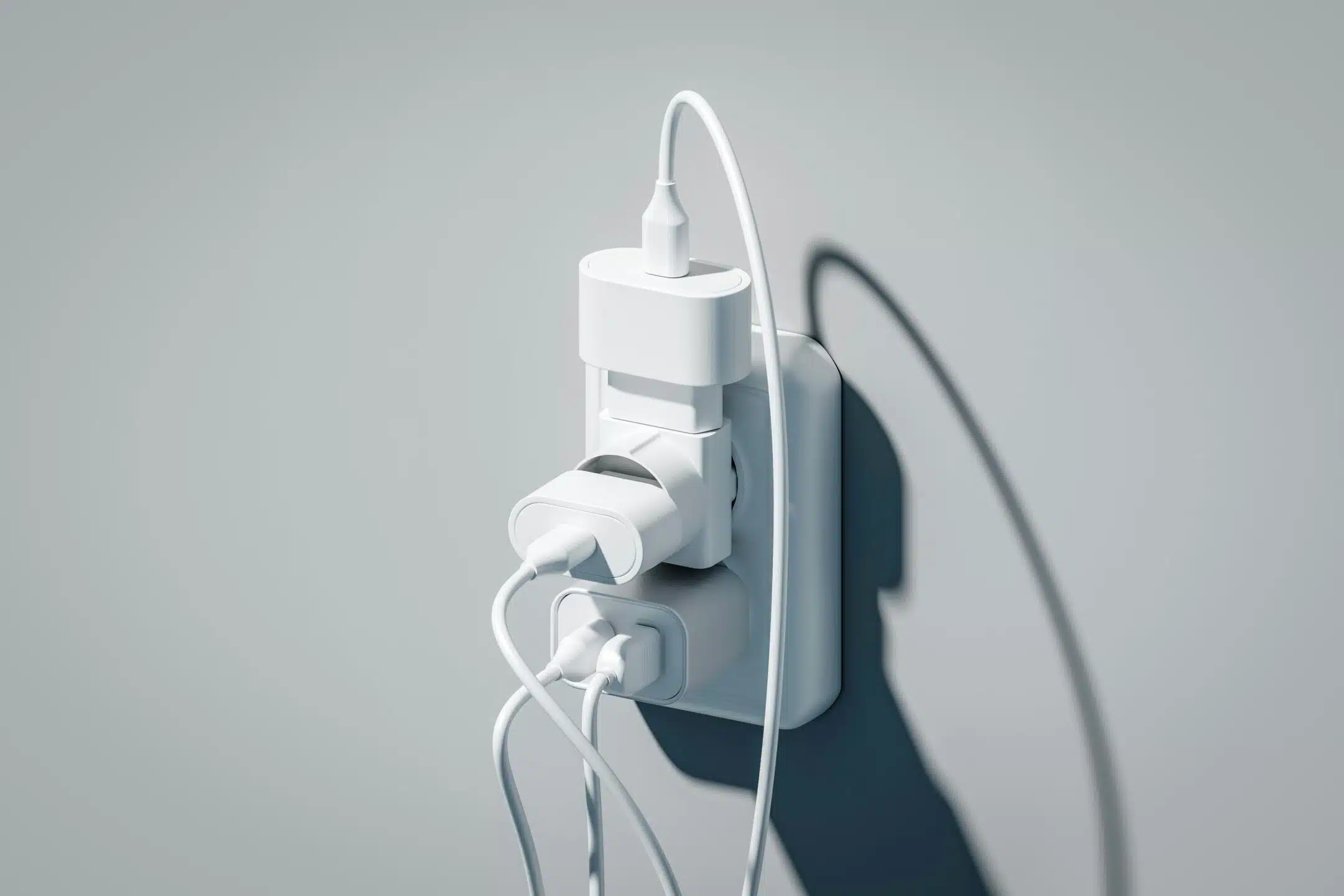
- Power adapter – Egypt uses European-style round plug sockets (Type C and F). Travellers from outside of Europe will need an adapter to charge their electronics.
- Electricity supply – Egypt on 220V with a frequency of 50Hz. Most modern phone and laptop chargers are compatible with this voltage, but double-check before plugging in hair tools or specialty electronics.
- Portable charger โ Youโll likely spend long days exploring outdoor archaeological sites with limited access to outlets. A power bank is extremely useful for keeping your phone charged while out and about.
1.4. Items to Have “Just in Case”
- Digestive medication – Even seasoned travellers sometimes experience stomach issues in Egypt. Changes in diet, different water sources and unfamiliar food preparation can upset your system. Packing basic anti-diarrheal medication can save you from losing a day of sightseeing.
- Hand wipes & tissues – Not all public washrooms are fully stocked, particularly at outdoor historic sites. Carrying your own tissues or wipes will make things much easier when youโre out exploring all day.
- Hand sanitizer – Between markets, public transportation and monument visits, youโll be touching plenty of shared surfaces. A small bottle of hand sanitizer in your day bag is always useful.
2. Packing for Egypt – Accessories & Clothing
Now that the practical items are sorted, letโs talk about what youโll actually be wearing. Egypt is hot for most of the year, conservative in many areas and full of long excursions under direct sun. The goal of your packing mission isnโt just to โblend inโ, but to keep cool, avoid a sunburn and dress respectfully. Below, weโve broken things down to make it simple.
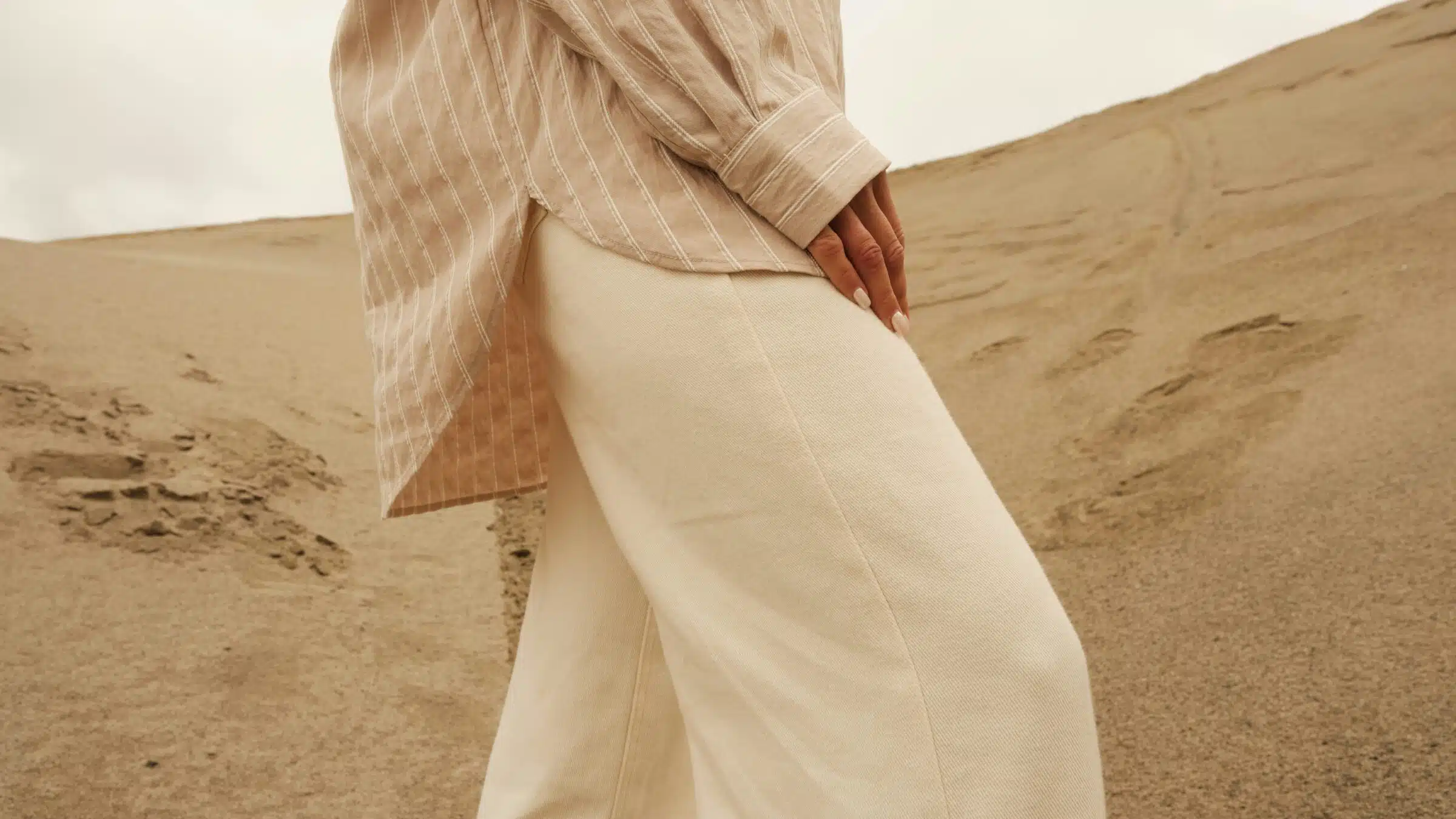
2.1. Bottoms That Work Best in Egypt

- Long skirts/dresses – These are perfect for Egypt. They allow airflow while keeping you covered in more traditional areas. Theyโre also practical for religious sites where knees and shoulders should be covered.
- Lightweight pants – Loose, breathable trousers are ideal for Egyptโs climate. They protect your legs from sun exposure and theyโre appropriate for mosque visits. Linen or cotton fabrics will keep you far more comfortable than denim in high heat.
- Long linen/khaki shorts – In beach destinations and resort towns, shorts are completely normal. But in central Cairo or important sites you should lean towards longer cuts. Essentially, leave the short shorts/skirts at home.
- One comfortable pair of jeans (or thicker pants) – You probably wonโt need anything too heavy, but packing one warmer layer is still a good idea. After sunset (especially along the Nile or in the winter) temperatures can drop and the wind can pick up.
2.2. Tops That Work Best in Egypt

- Sleeveless tops – Fine in beach destinations and resorts, but less acceptable where local life thrives. Women should carry a scarf or a light cardigan to cover their shoulders if they choose to wear sleeveless tops.
- Breathable t-shirts – Youโll want a few reliable t-shirts that can handle heat and sweat. Choose light fabrics and lighter colours where possible.
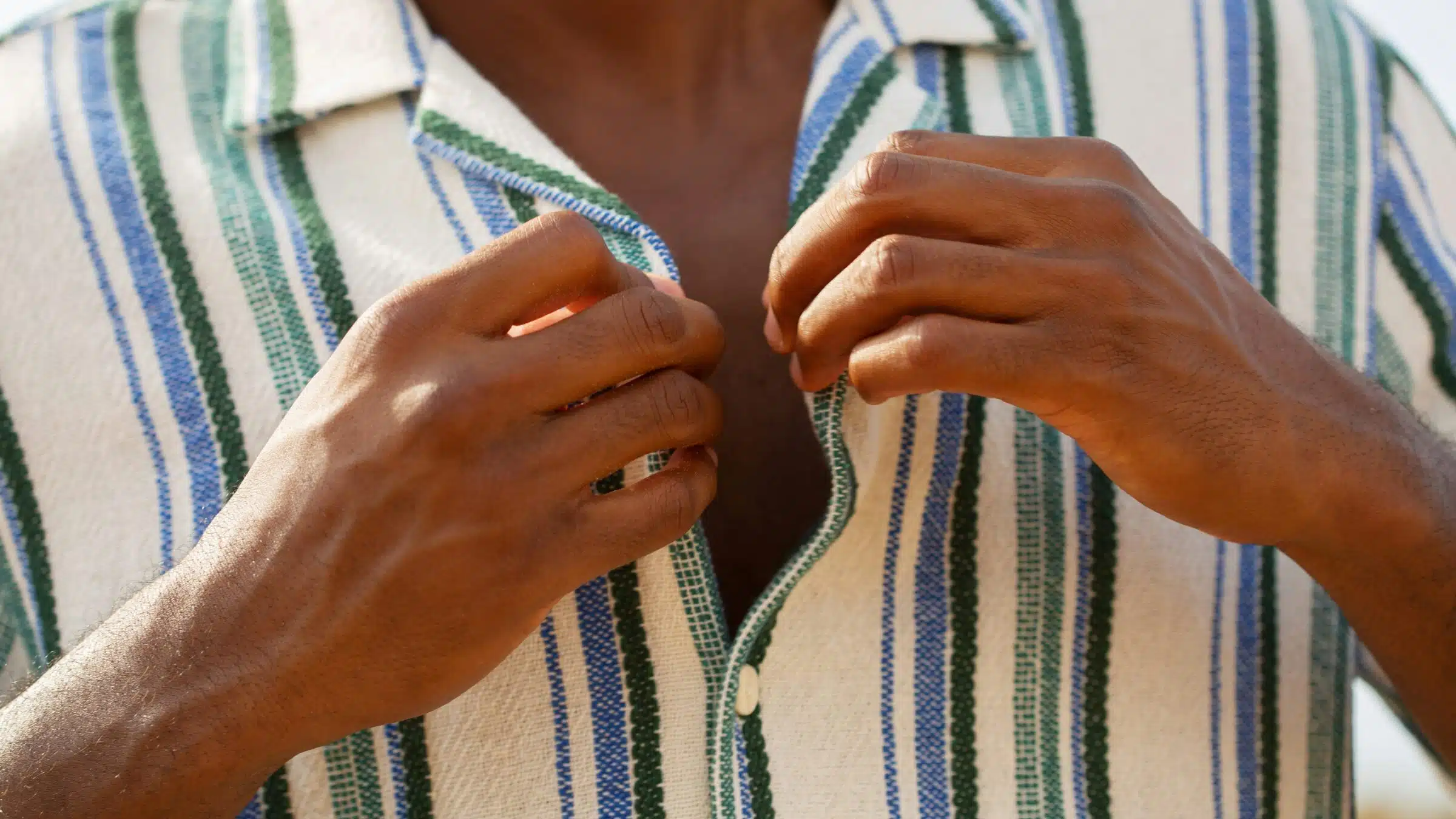
- Loose cotton or linen shirts – Long-sleeved but lightweight shirts are surprisingly useful in Egypt. They shield your skin from the sun and help prevent sunburn during long days at outdoor sites.
- One dressier option – Evenings on a Nile cruise or at a nice restaurant may call for something polished. A lightweight dress shirt or smart button-down for men and a nice blouse for women, is more than enough.
- A light layer for evenings – Nile cruises, rooftop dinners, and winter evenings in Cairo can feel cooler than expected. A thin sweater or light jacket is usually enough.
2.3. The Perfect Shoes to Pack for Egypt

- Tennis shoes – A light shoe that also protects your toes is always a good choice for any trip that requires lots of walking and exploration. Plus, they look cute with almost every outfit!
- Other Closed-toe shoes – Many major attractions have sandy, uneven and dusty terrain. Closed shoes that you don’t mind getting dirty protect you in more ways than one.
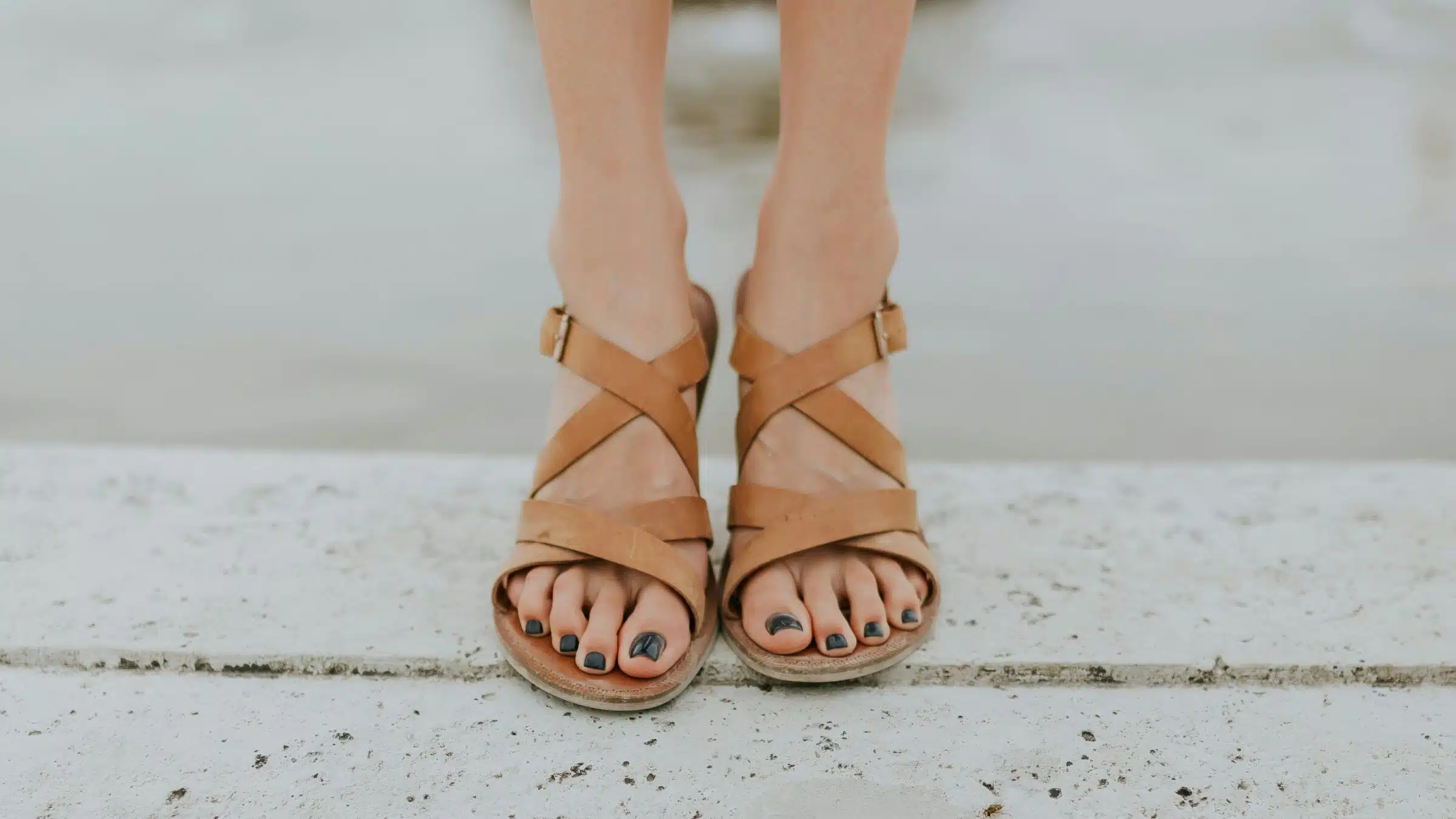
- Comfortable sandals – Ideal for hot days in the city, hotel downtime, or Red Sea vacations. Just keep in mind that ancient sites and busy streets arenโt always sandal-friendly.
- Flip Flops – If youโve got space in your luggage, itโs always worth bringing a pair. Theyโre ideal for wearing around your hotel or cruise ship, by the pool, or at the beach. Youโll also appreciate having them if you prefer shower sandals or are spending time on a Nile cruise deck.
- Supportive hiking shoe – Youโll spend hours on your feet at temple complexes, museum halls, and archaeological sites. Cushioning and support matter more than style!
2.4. Accessories That Are Especially Useful in Egypt

- A lightweight scarf or shawl – This is one of the most versatile items you can bring. It can cover your shoulders in mosques, protect your neck from the sun, or even shield your face slightly from wind and dust.
- A secure crossbody bag – Ideal for men and women, these bags help in crowded sites and busy markets. They also keep your valuables close while leaving your hands free for photos.
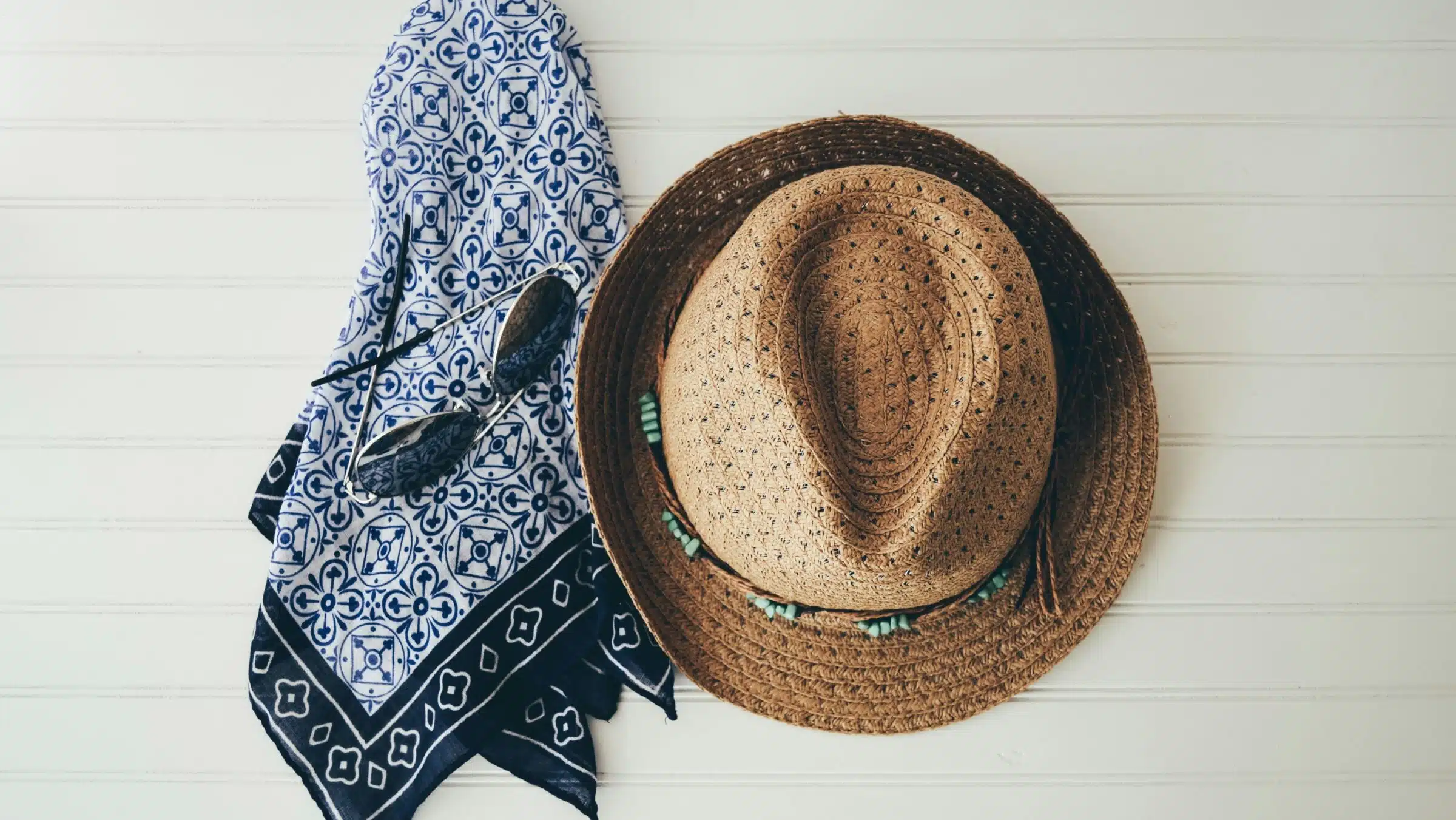
- Sunglasses and a proper hat – Many of Egyptโs most famous landmarks offer very little shade. A wide-brimmed hat or cap makes a significant difference during long visits.
- Swimsuit – Even if your trip isnโt centred around the beach, many hotels have pools and Nile cruises offer plenty of time to relax on deck. And if you’re headed to the Red Sea, youโll definitely want one!
- Light socks – Useful for travel days, cooler evenings, or overly air-conditioned buses and cruise cabins.
3. Managing Egypt’s Dry Heat
Egypt enjoys sunshine all year round, and for much of that time the weather is ideal for exploring. Particularly from October to April, when temperatures are pleasantly warm and comfortable. The summer months (from May to September) are significantly hotter, especially in southern cities. Keep reading for even more tips on making your trip as comfortable as possible, no matter what time of year you’ll be travelling!
- Electrolyte packets – Long days exploring temples or walking around the pyramids can leave you feeling drained. Adding electrolytes to your water helps you recover faster and avoid dehydration.
- High-SPF sunscreen & lip balm – The Egyptian sun is strong year-round, even in winter. Apply generously and reapply often, especially during long outdoor visits.
- Cooling towel or portable fan – If youโre travelling in late spring or summer, a cooling towel can be incredibly helpful during midday sightseeing. Itโs a small item that makes a big difference.
- Full-brimmed hat – With heavy, direct sun you’ll want to make sure everything is covered. A full-brimmed hat won’t just protect your face, but the back of your neck as well.
4. Packing for Egypt – Last Minute Extra’s
After the basics are covered, itโs the thoughtful extras that help your trip run smoothly, especially if youโre exploring several cities or adding a cruise or resort stay to your plans. Keep reading to make your packing list complete!
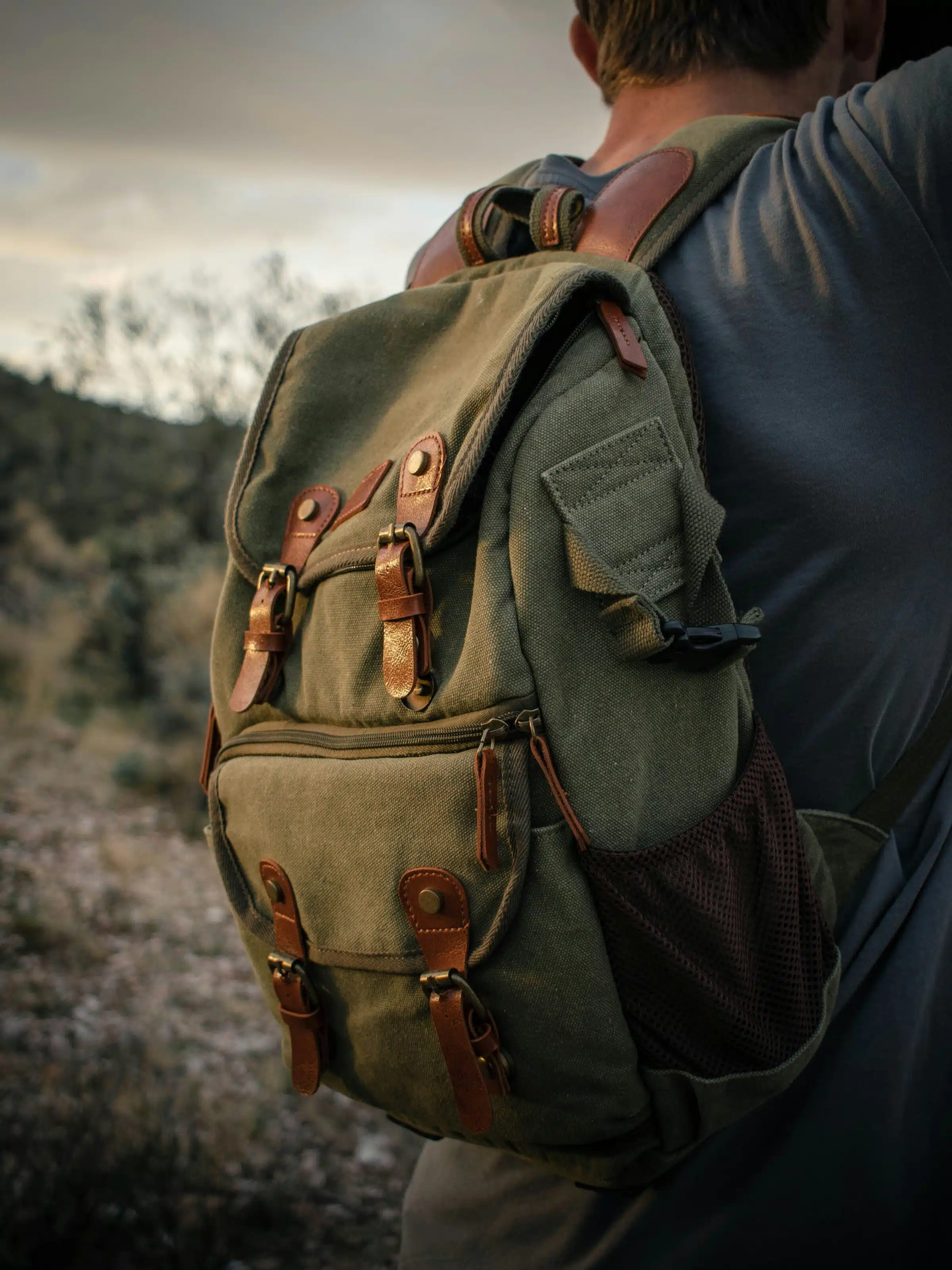
- Small day backpack – Choose a bag large enough to carry water, sunscreen, sunglasses and any personal items you need for the day. This is essential for temple visits, museum days, and guided excursions.
- Motion sickness medication – Most travellers wonโt need it, but if youโre sensitive to movement, it may come in handy during boat rides or longer transfers.
- Neck pillow – While you might not find yourself on long road trips – many packages include domestic flights, bus transfers or train journeys between Cairo, Luxor, and Aswan. A neck pillow can make those travel days much more comfortable!
- Soft sided luggage or backpack – Roads in older parts of Cairo and around train stations arenโt always smooth. A duffel bag or backpack can be easier to manage than a large hard rolling suitcase. Especially if youโre boarding boats or navigating smaller streets.
5. How to Pack for a Trip to Egypt- FAQ
What should I pack for a trip to Egypt?
Pack lightweight, breathable clothing, comfortable walking shoes, sun protection (hat, sunglasses, sunscreen), and a reusable water bottle. A scarf or shawl is useful for mosque visits, and a small day backpack is essential for sightseeing. If your trip includes a Nile cruise or Red Sea stay, bring swimwear and a slightly dressier outfit for evenings.
What clothes should women wear in Egypt?
Women should aim for lightweight, modest clothing that covers shoulders and knees when visiting religious sites. Maxi dresses, loose trousers, and breathable tops work well. In resort areas, dress codes are more relaxed, but in cities and local neighbourhoods, modest styles are more comfortable culturally.
Can I wear shorts in Egypt?
Yes, particularly in tourist areas and beach destinations. However, shorter styles may attract attention in conservative neighbourhoods. Longer shorts or loose trousers are generally more comfortable for sightseeing.
Do I need to cover my hair in Egypt?
Hair covering is not required for tourists in Egypt. However, women may need to cover their hair when entering certain mosques. Carrying a lightweight scarf makes this easy.
Is Egypt too hot to visit in the summer?
Summer months (May to September) are hotter, especially in southern cities like Luxor and Aswan. With breathable clothing, sunscreen, and proper hydration, many travellers still visit comfortably. The most popular travel season is October to April, when temperatures are warm and ideal for exploring.
Is Egypt a conservative country when it comes to clothing?
Egypt is culturally modest, particularly outside resort areas. While tourists are not expected to dress like locals, clothing that covers shoulders and knees is generally more respectful and comfortable in many settings.
What should I pack for a Nile cruise?
Pack comfortable daytime clothing, sun protection, swimwear for deck relaxation, and one slightly dressier outfit for evening dinners. A light layer is useful for breezy nights on the water.
What should I pack for a Red Sea resort stay?
In addition to your sightseeing clothes, bring swimwear, sandals, sunglasses, and beach-friendly clothing. Resort areas such as Hurghada and Sharm El-Sheikh are more relaxed in dress code compared to central Cairo.
More Articles About Travelling to Egypt:
Leah Warner
Leah has been living in and exploring Madrid since 2013 when she moved to the city for a simple summer abroad. She started the Citylife Blog in 2014 with the goal to share everything there is to know about her favourite place on earth!