16 Funny Spanish Phrases to Use in Everyday Conversation
Every language has it’s funny sayings that simply do not translate into other languages easily. The same can be said for all these funny Spanish phrases that we’ve put together for you in this article. Make sure you can keep up with the local fun by learning these awesome funny Spanish phrases and incorporating them into your everyday life!
Once you’ve mastered these funny Spanish sayings you can try out our favourite Spanish curse words! Or if you want to start from the beginning make sure to try out our 100+ Common Spanish Phrases article!
To check out all the amazing ways that you can learn Spanish during your time in Madrid, make sure to read our comprehensive guide on learning Spanish in Madrid!
1. Ser la leche

It seems like the Spaniards feel pretty passionate about their milk. There is already a way to swear in spanish that involves taking a shit in some milk, but in this funny Spanish phrase, milk can be a positive thing! To say that something es la leche could mean two different things: either it’s really good or really bad. That may seem confusing at first, but there are actually similar expressions in English. For example, when you say something is “sick” or “gnarly”, you are either saying it’s awesome or just plain disgusting. So in the end, it really just depends on your tone of voice or the subject you’re talking about.
For Example:
- Esa peli es la leche.(That movie is awesome, That movie sucks)
- Siempre tengo deberes en esa asignatura, es la leche. (I always have homework in that class, it sucks)
- Que tal el concierto?…Fue la leche, tío. (How was the concert?… It was awesome, dude)
2. Flipar

So let’s say you have a really crazy/juicy story or piece of gossip to tell your friends that you know is going to blow their minds. In this case, you might want to begin by using the popular funny Spanish phrase, “vas a flipar” which literally translates to “you’re going to flip/freak” in English. Of course, if you’re talking about some crazy concert you could also use flipar. If you happen to hear some super exciting news, you can substitute the same overused responses such as “Qué interesante” or “Qué locura” for “!Qué flipe!”.
For Example:
- Vas a flipar. (You’re going to flip out / freak out)
- Flipé en el concierto de Beyoncé. (I flipped out / freak out at the Beyoncé concert!)
- !Qué flipe! (What a blast! or how cool!)
It’s also important to know that the expression “estar flipado” exists but has a connotation similar to the negative use “trippin'” or “crazy” in English.
For Example:
“Estás flipando si piensas que saldré con el (You’re crazy if you think I’d go out with him.)
3. Ser Pan Comido!
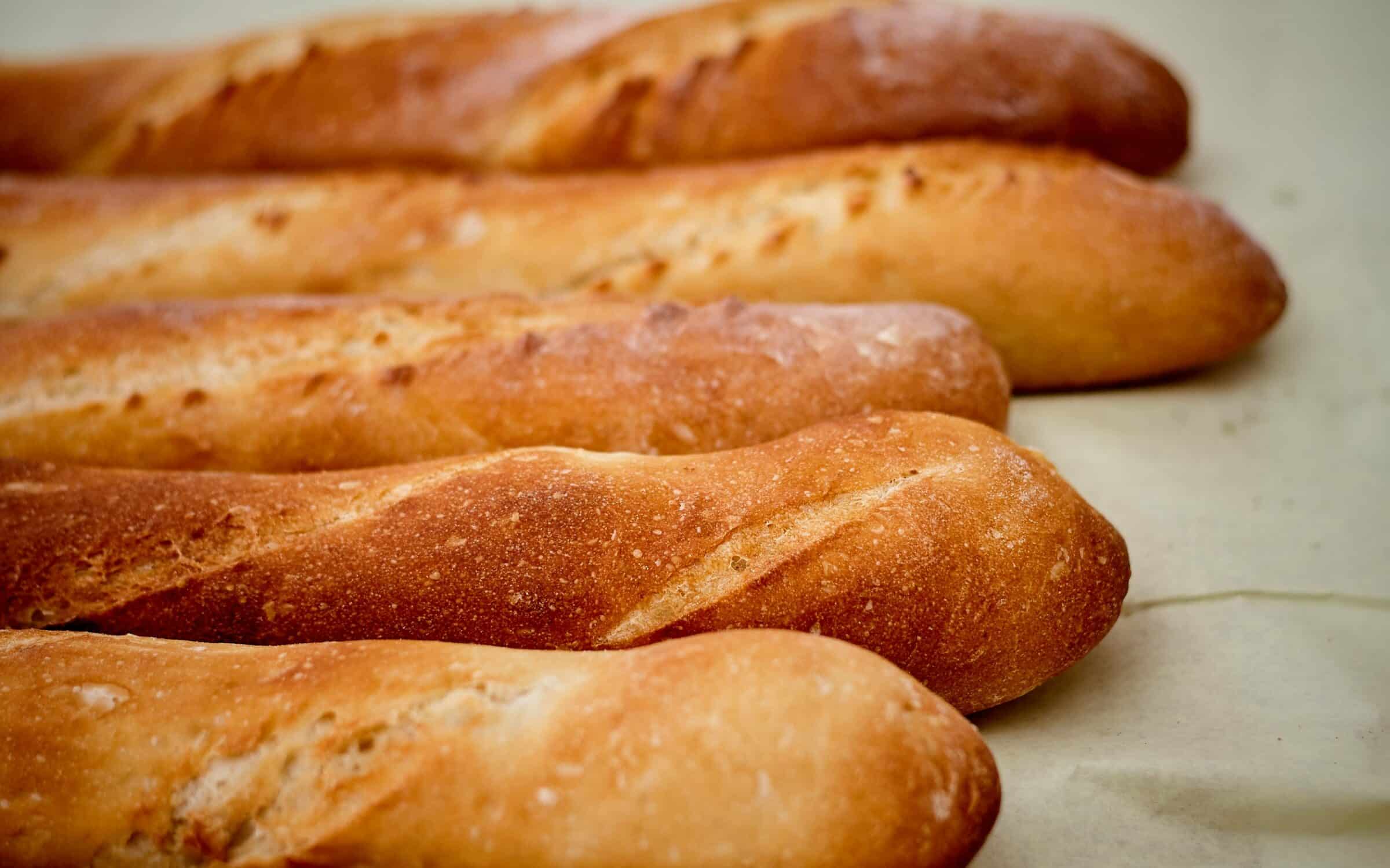
As with most languages, Spanish really does love to bring food into the mix. Literally translated, the funny Spanish phrase “ser pan comido” actually doesn’t mean much of anything. It’s just “bread to be eaten”. But, the purpose of the expression is to say that something is easy to do. In English we like to say that something is “a peace of cake” and in Spanish you would say “ser pan comido”.
For Example:
- El trabajo es pan comido. (The job is a piece of cake.)
- Estudiar español es pan comido. (Studying Spanish is a piece of cake.)
- Con tu experiencia, la caminata será pan comido. (With your experience, the hike will be a piece of cake.)
4. Mola

You know when something is so cool, so amazing and so exciting that you can’t find the words to express how you feel? Well, now you have one now – mola. To say something is “mola” is to say it’s simply the coolest thing ever. It can also be used ironically when laughing about something that happened. Just think about how we loosely use the term awesome, this is how the Spanish use the word “mola”.
For Example:
- Mola la foto! (That photo rocks!)
- Las primeras temporadas de Juego de Tronos molan un montón. (The first seasons of Game of Thrones are really awesome.)
- No mola que haya lluvía. (It’s not cool that it’s raining.)
5. Ser Uña y Carne

This funny Spanish phrase could possibly be the the oddest we’ve encountered yet. Not because of its eventual meaning, but because of the confusing translation and combination of words. Literally “Ser Uña y Carne” means “to be a nail and meat” or, if we’re generous, “the meat and bones”. If you can’t think of how these translations could possibly be interpreted – don’t worry! To use this expression properly, you must refer to people or things who are and have always been, incredibly close. Think of “Two peas in a pod“, “birds of a feather”, “bread and butter“ or even “hand in hand”
For example:
- Desde que comenzaron la escuela en septiembre, estas chicas son uña y carne! (Since the started school in September they have been two peas in a pod / inseparable!)
- Con Ferrari, la velocidad y el lujo son uña y carne. (With Ferrari, speed and luxury go hand in hand.)
- Tengo la impresión de que vais a ser uña y carne. (I have a feeling that you two will be incredibly close)

6. No Ver Tres en un Burro

As usual, this funny Spanish phrase is not used for its direct translation, which is “can’t see three [people] on a donkey”. This expression is used to explain that you, or someone else has terrible eyesight. It is very similar to the English expression “blind as a bat”. The saying comes from the very old and rural method of testing a person’s eyesight. The patient would be shown various drawings and would be required to describe what they see!
For Example:
- ¡Sin gafas no veo tres en un burro! (Without my glasses I’m blind as a bat!)
- En el bosque no se veía tres en un burro. (In the forest you couldn’t see your hand in front of your face.)
- La lluvia era tan densa no se veía tre en un burro. (The rain was so strong you couldn’t see anything ahead.)
7. Tomar el Pelo

Yet another funny Spanish phrases that means literally nothing without context. When directly translated “tomar el pelo” means ‘to take the hair’. This expression is often used when people are joking around with each other. It is similar to the English expression “pulling my/your leg” or “you’re joking right?”. So if a friend tells you she won €10 million, you might use this expression.
For Example:
- Me estás tomando el pelo. (You’re kidding me.)
- ¿Pero a quién pretenden tomar el pelo? (But who are they trying to fool / kid?)
- No te preocupes, sólo estaba tomando el pelo. (Don’t worry, I was only joking.)
8. Me la Suda

If your in the middle of a conversation you’re not interested in, this expression will be useful to you. Directly translated it simply means “I’m sweating”, which is interesting, but it’s not exactly something you need to tell people. In full context, “Me la suda” means something along the lines of “I couldn’t care less” and “I don’t give a damn“. Be careful with the tone you use, because this phrase can go from simply expressing your disinterest to truly insulting the person you’re speaking to.
For Example:
- Me la suda las demás asignaturas que tenemos que estudiar en el colegio. (I couldn’t care less about the other subjects we have to study at school.)
- A mí me la suda el fútbol, no me gusta para nada. (I don’t give a damn about football (soccer), I don’t like it at all.)
- Por favor, no me digas más, me la suda. (Please don’t tell me anymore, I don’t care.)
9. No Tener Pelos en la Lengua

If you haven’t noticed already, Spanish idioms are quite funny when translated into English. “No tener pelos en la lengua” is no exception. Interestingly, the literal meaning of this funny Spanish phrase is that a person “has no hairs on their tongue”. If a person had hair on the tongue he or she would have difficulty speaking and pronouncing words correctly and might not be very confident. But a person without hair on their tongue would be very blunt and direct. A person who says what they think and how they feel without caring about what others might think. In English we use the expressions “not to mince one’s word” or to not “watch your tongue”.
For Example:
- Yo no tengo pelos en la lengua y hablaré sin rodeos. (It is perfectly alright with me, but I am a blunt man and I intend to speak very frankly with you.)
- Eso es la peor sopa que he comido nunca. Lo siento, pero yo no tengo pelos en la lengua. (This is the worst soup I have ever eaten. I’m sorry, but I’m blunt and direct.)
- Marcos se está buscando muchos enemigos por no tener pelos en la lengua. (Marcos is making a lot of enemies for not watching his tongue.)
10. Echar Agua al Mar

I think, for the first time ever, we finally have a funny Spanish phrase that actually translates to something that makes sense in English! “Echar Agua al Mar” means “to throw water into the sea“. This in an idiom used to express that something is redundant or pointless – much like throwing water into the sea!
For Example:
- Tratar de convencerla es como echar agua al mar. Ella nunca va a cambiar. (Trying to convince her is pointless, She’s never going to change.)
- Comenzar a estudiar ahora es como echar agua al mar. (Starting studying now is totally useless.)
11. Tener los Huevos de Corbata

It seems like, in any language, male genitalia is used to express feelings and emotions. “Tener los huevos de corbata” is a Castilian expression translating to “to wear your balls as a tie”. What it really means is that you feel tense or nervous. It is also common to hold your throat while saying this expression. As if to say ‘this is where I have my balls’- con los huevos aquí – when they want to express nervousness or fear. Beware, this is another one that can be considered quite rude!
For Example:
- Cuando el jefe le llamó a su despacho se le pusieron los huevos de corbata. (He was on edge when his boss called him into his office.)
- Al escuchar el ruido, se me pusieron los huevos de corbata. (When I heard the noise it scared the sh*t out of me.)

12. Hacerse el Sueco

Did you know that, literally translated “hacerse el sueco“ means ‘to play Swedish’? Though the real meaning is to play dumb or to pretend not to hear/not to notice. One explanation of this expression is in the origin of the word “sueco” which stems from the Latin word “soccus” (log). So, if you “play the log“ (soccus = sueco), you’re pretending not to understand/not to hear something – just like how we ‘play dumb’ so we don’t have to responsible for something. However, another popular explanation refers to the times when Swedish sailors docked in Spanish ports. To avoid certain inconvenient obligations and affairs, they unconcerned themselves by using the lack of Spanish language skills as an excuse to basically get out of doing something.
For Example:
- Se hace el sueco para no tener que trabajar. (He plays dumb so he doesn’t have to work.)
- Cuando era joven me hacía el sueco para llamar la atención. (When I was young I would play dumb to get attention.)
13. En Un Dos por Tres

This is a fun one because you get to use it when something super easy or takes no time at all! In English we’d say something like “easy as 1,2,3”, “in a flash” or “just like that”. But, in Spanish you’d just say “Es un dos por tres”. As usual, when the phrase is taken literally it doesn’t have much of a meaning – it is one by two – but the colloquial meaning is simple, it´s easy! Just think of the Jackson Five and their fan favourite song, ABC.
For Example:
- Si te lees las instrucciones puedes montar el mueble en un dos por tres. (If you read the directions you can put up the cabinet very quickly.)
- Con este software puedes hacer tu propio sitio web en un dos por tres. (With this software you can make your own website in no time.)
- Es un plato riquísimo, que se prepara en un dos por tres. (It’s a delicious dish, that you can prepare easily.)
14. Estar Como una Cabra

This one is simple, fun and easy to use in everyday life! When you translate ‘Estar como una cabra‘ directly it means, ‘to be like a goat’ which sounds pretty weird – but that’s actually the point! This funny Spanish phrase when someone or something is a little strange, bizarre or out of the ordinary. Mostly this term is used in a funny way, if someone is acting crazy or extra silly that day.
For Example:
- ¡Esta noche estás como una cabra! (Tonight you are acting little crazy!)
- Se bañó en el río en invierno, ¡Está como una cabra! (He went swimming in the river in the the winter. He’s crazy!)
- Tienes que estar como una cabra para gastarte tal cantidad de dinero en un vestido. (You’d have to be nuts to spend that much money on a dress)
15. Sujetavelas

We’ve got many versions of this expression in english – third wheel, odd one out, three’s a crowd, tagging along. This is a comical phrase for those who seem to be stuck in that awkward situation where a hangout turned into a date and you were left in the dust. Directly translated, it means “candle holder” which is pretty funny in itself, as you can imagine the third wheel on a date being the one to hold the romantic candle for the couple.
For Example:
- Sé que voy a ser una sujetavelas toda mi vida. (know i’ll be a third wheel my entire life.)
- Voy con ella así no se siente como una sujetavelas. (I’m going with her so she doesn’t feel like a third wheel.)
16. Tirar la Casa por la Ventana

This is a fun one! “Tirar la casa por la ventana” literally means to throw the house out the window, which is quite clever when you consider the meaning. This expression means to spare no expenses or to pull out all the stops – more or less throwing the house out the figurative window! So if you ever feel like going all out for a party you’re planning, or a work project, all you have to say is “¿ Por qué no tirar la casa por la ventana?”
For Example:
- Hoy os invito a cenar en el mejor restaurante de la ciudad. ¡Voy a tirar la casa por la ventana! (Today I’m taking you to the best restaurant in town. I’m going to go all out!)
- Por la boda de mi hija hemos tirado la casa por la ventana. (We spared no expense for my daughter’s wedding.)
That is our top 16 funny Spanish phrases list that you can use in your everyday conversation to sound even more like a local. What are yours? Feel free to share them in the comments below!

Leah Warner

Leah has been living in and exploring Madrid since 2013 when she moved to the city for a simple summer abroad. She started the Citylife Blog in 2014 with the goal to share everything there is to know about her favourite place on earth!

4 Comments. Leave new
What does No tienes el coño para gritos, mean
It means that you are not in the mood for anything
Uña y carne does not refer to meat but to human flesh (carne means meat and flesh ) They are so close to each other that are like nail And flesh
Thanks Maria! That makes total sense and adds even more meaning to the phrase!