CaixaForum in Madrid
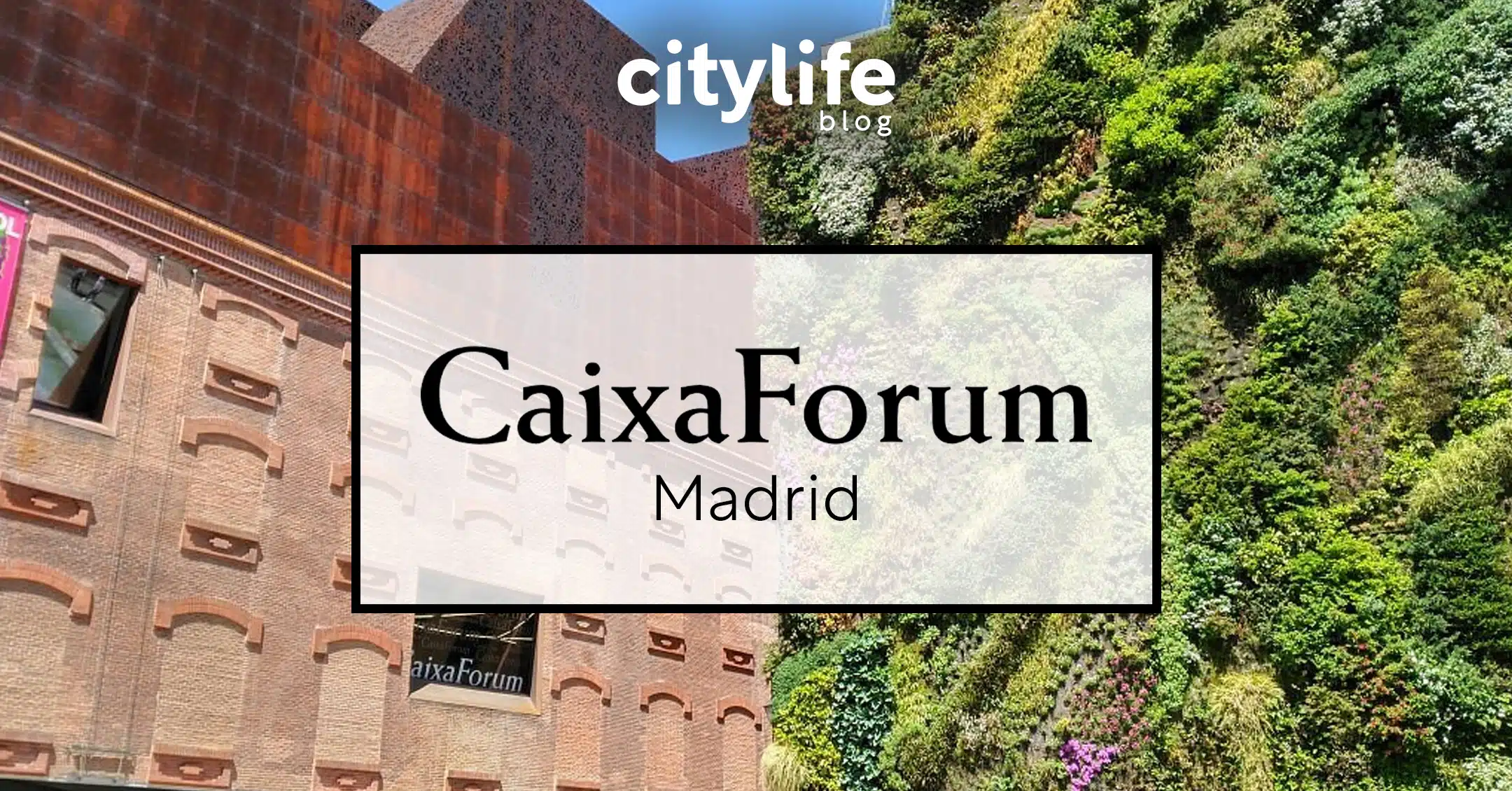
There’s no denying that museums like Prado, Thyssen, and Reina Sofia carry a certain timeless charm. The architecture of the buildings that house them is beautiful, and the permanent collections have been a long-standing part of the fine arts culture of Madrid and Spain as a whole. However, sometimes it’s time for something fresh. Something like the CaixaForum. Unlike Madrid’s most famous museums, CaixaForum is more of a cultural centre with rotating multidisciplinary exhibitions spanning art, photography, history, design, and even science. The unique building, designed by Swiss architects in 2007, combines an old electrical factory with modern elements to create a dynamic and inviting space for the many cultural activities and workshops that the Forum offers!
If you’re looking to delve deeper into Madrid’s arts and culture scene, check out our article on the city’s most notable museums and exhibitions. For more of our recommendations regarding local museums and ticket purchases, check out our articles about the famous Paseo del Arte and Madrid’s Top Muesums.
About CaixaForum
CaixaForum opened its doors in Madrid in 2008 and has been an iconic part of Madrid’s art scene ever since. This is mainly because CaixaForum is home to Madrid’s first vertical garden, a 20-meter-high wall with over 15,000 species of plants living on it! The museum was created to be a space for the sharing and spread of cultural knowledge and artefacts. The rotating exhibitions ensure there’s always something new to see. The forum also hosts academic conferences and concerts, as well as many educational workshops and activities for families. For a short break during your visit, stop by the bookstore and café inside CaixaForum!
Visiting Information
To make your visit to the CaixaForum as smooth as possible, check out the following details on the museum’s hours of operation and ticket prices. Find additional visiting information here.
Visiting Hours
Monday to Sundays, and holidays: 10:00 – 20:00
Visitors can purchase tickets to the exhibitions at the box office up to 30 minutes before closing time.
Price
General admission: €6.
Free access to all exhibitions for CaixaBank customers, European Youth Card holders, or children under 16.
Reminder: Opening hours and admissions fees are subject to change, so please always check the official webpage before going.

CaixaForum Adress
Paseo del Prado, 36. 28014 Madrid
Metro: Estación del Arte (line 1)
Different CaixaForums
Exhibitions change frequently across all venues, so check the official websites for the latest lineup before you visit!
Barcelona

One of the largest CaixaForum venues, Barcelona is housed in a former textile factory designed by Josep Puig i Cadafalch. The modernist industrial building sets the stage for major international exhibitions, often in collaboration with the Louvre, Prado, and British Museum. For those interested in local heritage, there’s a strong emphasis on Catalan culture, and the rooftop terrace offers a great view of the city.
Valencia

Located in the Ágora building, Valencia’s CaixaForum takes its name from the Greek word for a gathering space; fitting for a centre dedicated to culture and discussion. Designed by Santiago Calatrava, it’s one of the newest CaixaForums, having opened in 2022. Its futuristic design makes it stand out in the City of Arts and Sciences, focusing on innovation, technology, and digital art.
Zaragoza

Known for its geometrical exterior, Zaragoza’s CaixaForum regularly hosts exhibitions on contemporary art, archaeology, and ancient civilizations. The building stands out compared to the city’s historical architecture, which was exactly the intention of designer Carme Pinós.
Sevilla

As a nod to Seville’s maritime past, this Caixa Forum is located inside the Las Atarazanas shipyards. It was designed by Guillermo Vázquez Consuegra and often hosts exhibitions of Spanish Golden Age art with artists like Velazquez or Murillo.
Palma de Mallorca

Originally the Grand Hotel, this building was designed by Joan Palmer and Lluís Domènech i Montaner. Now a CaixaForum, it focuses on Mallorcan and Mediterranean culture, showcasing exhibitions on art, music, and literature, often by local artists and writers.
More Articles About Madrid’s Museums & Expos:
A Tour of the Plaza de Toros Las Ventas

19 Top Museums in Madrid – A Culture Lover’s Guide

Museo Naval in Madrid
Goya’s Pantheon in Madrid
Espacio Fundación Telefónica in Madrid

San Isidro Museum in Madrid

Bibliometro: Madrid’s Metro-Library System!
The Palaces of Madrid and How you Can Visit Them
Museo del Romanticismo in Madrid

Paseo del Arte – Home to the Best Art Museums in Madrid
The Thyssen-Bornemisza Museum in Madrid

Madrid’s Museo del Traje
The Liria Palace In Madrid

Reina Sofia Museum in Madrid

The Royal Palace of Madrid

The National Library of Spain