

The Palaces of Madrid and How you Can Visit Them
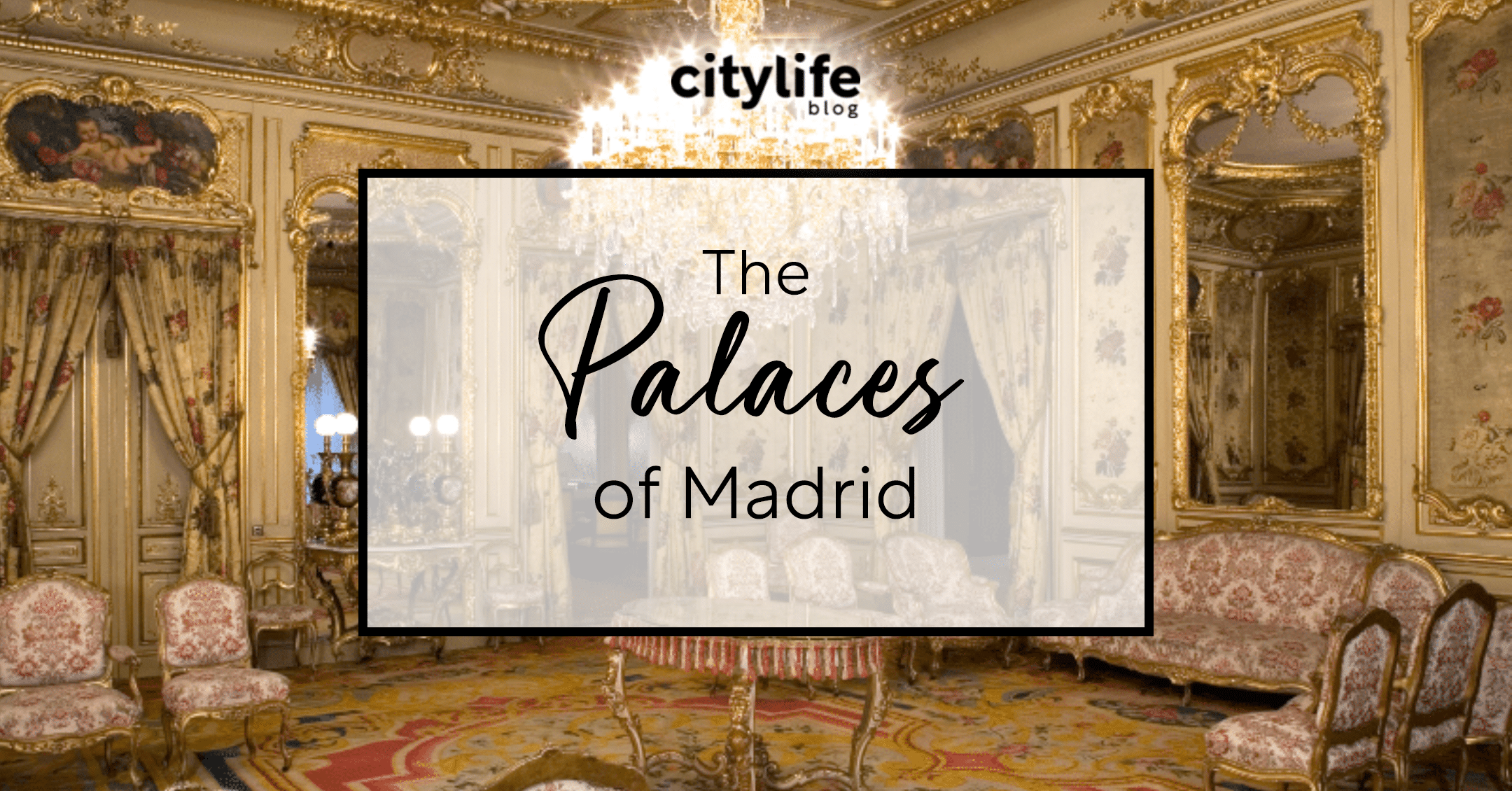
Most people visiting Madrid head straight for the Royal Palace — but it’s not the only one worth seeing. The city is full of smaller palaces and manors, some hidden on quiet streets, others just beyond the city center. They’re often overlooked and not always the easiest to visit, which makes them even more interesting to discover. If you’re looking for something different after ticking off the big attractions, here are 12 palaces in Madrid and how you can see them.
The 2025 season of Bienvenidos Palacio is on! Book your visit of these exclusive Palaces on the official website before the tours fill up!
If you’re looking to delve deeper into Madrid’s arts and culture scene, check out our article on the city’s most notable museums and exhibitions. For more of our recommendations regarding local museums and ticket purchases, check out our articles about the famous Paseo del Arte and Madrid’s Top Muesums.
1. Palacio de Buenavista

The Palacio de Buenavista is generally closed to the public, but guided tours are available with a prior reservation via email at [email protected].
Located near the Plaza de Cibeles on an outcrop with gardens, this palace is a very large building that once was the Dukes of Alba’s residence. The architect Pedro de Arnal designed the current palace after the thirteenth Duchess of Alba had the existing building knocked down and rebuilt. The original building was built in 1767 on the royal estate known as Altillo de Buenavista. Many of famous pieces of art were housed here and at one point the palace was wanted as the location for the Royal Museum of Paintings (known as the Prado Museum). Today it is the General Headquarters of the Army.
2. Palacio de Liria
The Liria Palace is a full-functioning museum with guided vists and online ticket sales. Visit the official web for more information.
Located on Calle de la Princesa, the neoclassical Liria Palace was built between 1767 and 1785 by the Dukes of Alba (House of Alba) under architects Louis Gilbert and later Ventura Rodríguez. Inside, you can visit around a dozen rooms filled with fine art, antiques, and historical documents — highlights include a first edition of Don Quixote (1605), the will of Ferdinand II of Aragon, letters from Christopher Columbus, and the Alba Bible. Guided tours are available daily; you can catch both the foyer and private rooms, and it remains very much a working family residence.
3. Palacio de Laredo

The Laredo Palace appears to be temporarily closed. For more information, please consult with the University of Alcalá.
Just outside of Madrid on the way to Alcalá de Henares you will find something quite unique. The Laredo Palace was built by the architect, painter, and restorer Manuel Laredo in 1882. Laredo was a member of the Royal Academy of Fine Arts of San Fernando and the palace was his family home. Now it belongs to the Madrid City Hall and is home to the Cisnerian Museum of the University. When you step into the palace you will see visible influences and similarities of the Alhambra in Granada. There is also an original gothic vault that is still in good condition and shows one of the oldest planetariums in the world. Around the palace is one of the few remaining conserved gardens of romantic style in Alcalá.
4. Palacio de los Marqueses de Santa Cruz
Visits to the Palacio de los Marqueses de Santa Cruz are limited to the fall season. Visit the official Madrid Community page for more information.
Situated on Calle de San Bernardino, this 18th-century palace was originally built (1768) by Antonio Plo and later updated with a neoclassical portico by López Algarín in 1774. It is home to the Fundación Álvaro de Bazán, housing the maritime-themed archive of the marquesado. The interior retains elements such as a private chapel (showing Civil War bullet holes) and historic family portraits. The façade has classical symmetry and richly detailed stonework.
5. Palacio de Zurbano

Visits to the Zrubano Palace are limited to the fall season. Visit the official Madrid Community page for more information.
This is a traditional palace house located in the neighborhood of Almagro. It was commissioned as a hotel, which was considered a single-family house for the Count of Muguiro. Severiano Sainz de la Lastra built the building between 1878 and 1881. The heirs of Ángela Beruete sold the property in 1919 and a few years later Eladio Laredo carried out a second enlargement. Fun fact, the future queen of Belgium, Fabiola de Mora y Aragón was born in this building. After her family sold the building it underwent more renovations. The interior has a classic layout and there is a large beautiful staircase that was built during the time of Marquis of Casa Riera.
6. Casa-Palacio de Manuel González-Longoria
Visits to the Casa-Palacio de Manuel González-Longoria are limited to the fall season. Visit the official Madrid Community page for more information.
Located in the Jerónimos neighborhood, this was commissioned by financier-turned-politician Manuel González-Longoria in 1888–1889, designed by José Marañón Gómez-Acebo. It functions today as the Colegio Notarial de Madrid. The building has two main accesses (one grand entrance on Juan de Mena, a utilitarian one for carriages on Ruiz de Alarcón leading to service areas). The entrance foyer features frescoed ceilings and tapestries, while the salient Salón Dorado carries mythological paintings by Salvador Martínez Cubells.
7. Palacio Parque Florido

The Florido Park Palace is a full-functioning museum with guided vists and online ticket sales. Visit the official web for more information.
The known art collector Jose Lázaro Galdiano dreamed of building a palace that would act a both a museum and home to his family. Thus, the Palacio Parque Florido was constructed in the heart of the Salamanca distrct. The building houses many treasures and valuable art collections, all from Galdiano personal collection. In 1948 a foundation in his honor was established and the palace was opened to the public for viewing.
8. Palacete Joaquín Sorolla (Museo Sorolla)

The Palacete is now a well known art museum known simply as the Museo Sorolla. The museum is currently under renovation and will be reopened in 2026. Visit the official website for more information.
Palacetes – also known as small palaces or mansions – were the perfect solution for Spanish aristocratic families who wished to live in luxury in the very centre of Madrid. This particular palacete was both a home and a studio to Joaquín Sorolla and his family. After his success in the United States in 1910, Sorolla commissioned the project from the architect Enrique Repullés y Vargas. With designs inspired heavily by the Alcazar in Sevilla and other Moorish buildings around the country. The house and study are connected by the main staircase, central courtyard and has a notable garden space like those you’d find in Seville.
9. Palacio Fernán Núñez

Visits to the Fernán Núñez Palace can be visited upon request. Visit the official website for all booking options.
Located near the Reina Sofia Museum and in the heart of Madrid, you will find the almost hidden Palace of Fernán Núñez. This palace was built as a home for Blas Jover who was council secretary for Fernando VI. The palace is a beautiful mid-18th-century building that was the Headquarters of the Fundación de los Ferrocarilles Españoles (Spanish Railways Foundation). It is decorated with numerous carpets and tapestries of the Royal Factory of Santa Barbara and also has silk fabrics, marbles, bronzes, and luxurious furniture. The plot of land belonged to the Santa Isabel convent and today it is one of the best-preserved palaces in Madrid.
10. Palacio de Parcent

Visits to the Palacio de Parcent are limited to the fall season. Visit the official Madrid Community page for more information.
The Palacio de Parcent is also known as the House of the Seven Gardens. Built in 1728 by the architect Juan Valenciano, the palace was inhabited by the Duchess of San Fernando in the middle of the XIX century. A few years later, nuns took over and ran a school for girls in the palace, before it was eventually abandoned for many years. Later, the Countess of Parcent acquired it, making it her residence and later a museum where she often hosted artists and aristocrats from various circles in Madrid. Today it the Ministry of Justice.
11. Palacete Joaquín de la Torre

Visits to the Joaquín de la Torre Palace are limited to the fall season. Visit the official Madrid Community page for more information.
The property was originally purchased in 1892 by Joaquín de la Torre and the architect Eugenio Jiménez Correra was commissioned to work on the project. However, his plans fell-though and the task was eventually given to Luis María Castiñeira. The palacete that he built can be seen today, with a unique exterior and even more unique interior. With hints of Reinassance and Neoplateresco accents.
12. Casa Palacio de Pedro de Luján

An example of a typical Madrid medieval house of traditional Islamic style, this house palace is one of the oldest buildings that exist in Madrid. It was built in 1471 for Pedro de Luján the son of Miquel Jiménez de Luján, who was originally from Aragón. After his death, his children divided the house manor into two independent entrances: la Casa-torre de Pedro de Luján and la Casa de Álvaro de Luján. In the 19th century both manors were saved from being demolished when the Ministry of Development to the Count of Oñate acquired them. After undergoing many remodels, the buildings were rejoined in 1996 by the Academy of Moral Sciences and Policies.
13. Palacete del Marqués de Rafal

Visits to the Joaquín de la Torre Palace are limited to the fall season. Visit the official Madrid Community page for more information.
This building is in front of a library and located in the historical center in the Plaza del Marqués of Rafal. The palace contains various works of art from the Gothic centuries to the present. It is also home to an interesting collection of tapestries and a library that includes an important archive with notarial protocols of the 17th century. The main façade of the building has two access points. One gives access to the courtyard of the palace and the other to the main staircase, which is decorated with military objects such as armor and sabers.
14. Palacio de Godoy

Visits to the Palacio de Godoy are limited to the fall season. Visit the official Madrid Community page for more information.
In 1776 the palace was commissioned to Francisco Sabatini as a place to accommodate the first Secretaries of the Office and corresponding administrative dependencies. It is located the Madrid of the Austrias. Be sure to take a look at the staircase, which is the building’s most characteristic, distinctive feature that makes a bold statement. The name comes from the residents Marques of Grimaldi and Manuel de Godoy, Prince of Peace, and both ministers of the king. While Godoy was living in the palace he decorated the inside of the palace with marble, frescoes, gorgeous sculptures and doors. Presently, the palace is home to the Center for Political and Constitutional Studies.
15. Palacio de Villafranca

Visits to the Palacio de Villafranca are limited to the fall season. Visit the official Madrid Community page for more information.
The palace has been the residence of noble families of Madrid since the end of the 17th century. At one point in time, it was know as the palace of the marquesa de Pinohermoso. Due the acquisition efforts of one nobleman, the palace was constructed. One of the most well known tenants of the palace was Maria Teresa Cayetana de Silva, the Duchess of Alba. Today, the palace is a historic building on calle de Don Pedro and is the headquarters of the Real Academic de Ingenieria. This organization was ceded by the state in 2005 with the commitment to completely rehabilitate the building, which is exactly what they did.
More Articles About Madrid’s Museums & Expos:
CaixaForum in Madrid

San Isidro Museum in Madrid
The Prado Museum in Madrid

The Royal Palace of Madrid
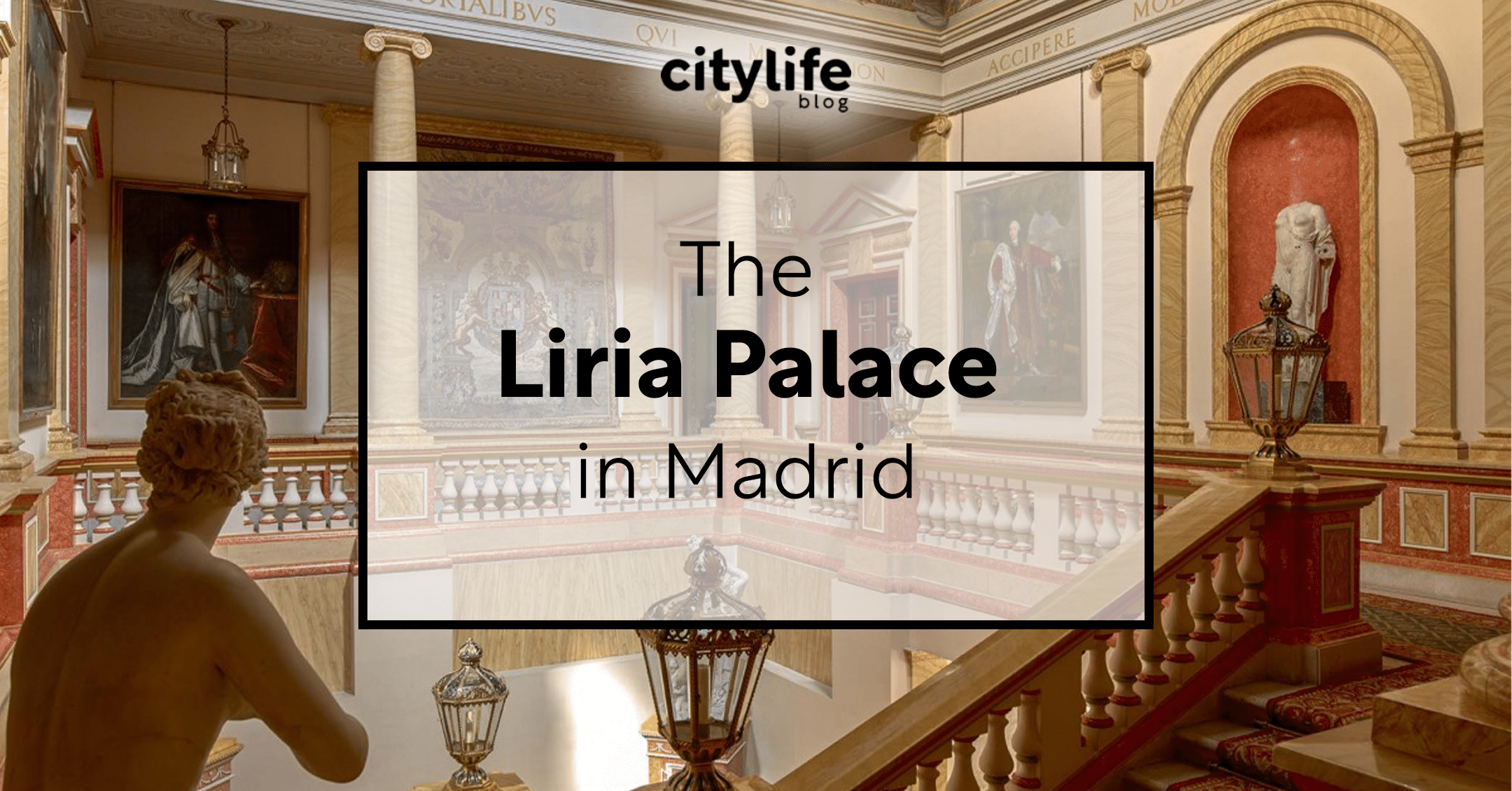
The Liria Palace In Madrid

The National Library of Spain
A Tour of the Plaza de Toros Las Ventas
Espacio Fundación Telefónica in Madrid

Madrid’s Museo del Traje
The Thyssen-Bornemisza Museum in Madrid
Museo Cerralbo in Madrid

Reina Sofia Museum in Madrid
Museo del Romanticismo in Madrid
Goya’s Pantheon in Madrid

Bibliometro: Madrid’s Metro-Library System!

19 Top Museums in Madrid – A Culture Lover’s Guide

Museo Naval in Madrid
Leah Warner

Leah has been living in and exploring Madrid since 2013 when she moved to the city for a simple summer abroad. She started the Citylife Blog in 2014 with the goal to share everything there is to know about her favourite place on earth!
